Successful aesthetic treatments are built on more than clinical expertise and product selection. Patient understanding plays an equally important role in achieving safe, predictable, and satisfying outcomes.
As aesthetic medicine continues to evolve, patients are becoming increasingly informed and involved in their treatment decisions. Providing clear, evidence-based education helps bridge the gap between expectations and reality, enabling patients to make informed choices and engage more confidently in their treatment journey.
When patients understand how treatments work, what results to expect, and how to maintain those results over time, they are more likely to follow clinical guidance, experience greater satisfaction, and develop long-term relationships with their practitioners. In this way, patient education becomes not only an important aspect of care, but a cornerstone of clinical success.
The Consultation Sets the Foundation
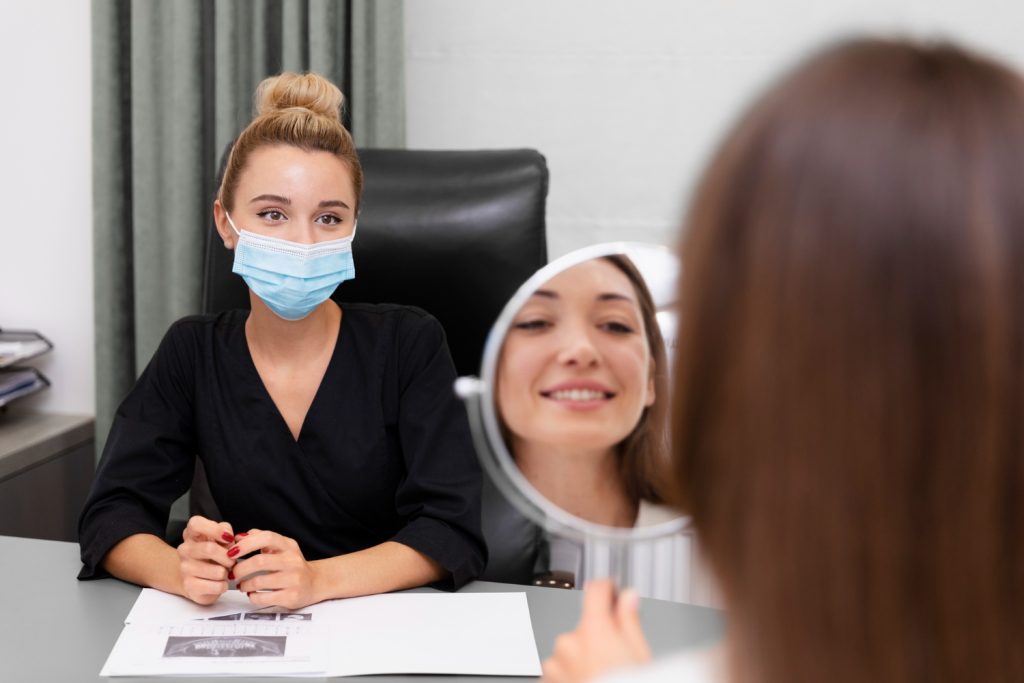
The consultation is one of the most important stages of the patient journey. It provides an opportunity to understand the patient’s concerns, assess suitability for treatment, and establish realistic expectations.
A thorough consultation helps practitioners identify contraindications, review previous procedures, and determine the most appropriate treatment approach. Equally important, it creates the trust that allows patients to feel confident in professional recommendations.
When patients understand the rationale behind a treatment plan, they are more likely to approach treatment with confidence and realistic expectations. Strong patient relationships are often established during this initial conversation, making the consultation a critical component of long-term satisfaction and retention.
Explaining Treatment Mechanisms Clearly
Patients do not need an in-depth scientific explanation to appreciate how their treatments work. However, providing a clear and accessible understanding of the underlying mechanism can help manage expectations and strengthen confidence.
For example, explaining that dermal fillers provide immediate structural support helps patients understand why results are visible soon after treatment. Likewise, describing biostimulators as treatments that stimulate the body’s natural collagen production allows patients to appreciate why improvements develop gradually over time.
Using simple, straightforward language helps patients feel informed without becoming overwhelmed, reinforcing trust in the practitioner’s expertise.
Setting Realistic Timelines for Results
Patient satisfaction is influenced not only by the outcome itself, but also by whether the results unfold according to expectations.
Temporary swelling, bruising, and product settling are normal parts of the healing process following many injectable procedures. Similarly, collagen-stimulating treatments require patience, with improvements developing progressively over several weeks and months.
Providing patients with a realistic timeline before treatment helps minimise unnecessary anxiety and prevents disappointment caused by unrealistic expectations. Visual references and follow-up guidance can further support understanding and reassure patients throughout the recovery process.
The Importance of Post-Treatment Guidance
Effective aftercare is an essential part of achieving optimal treatment outcomes.
Following post-treatment instructions can help minimise bruising and swelling, support proper product integration, and reduce the likelihood of complications. Providing clear written guidance gives patients a reliable point of reference after their appointment, particularly when they may still be processing information discussed during the consultation.
Simple, easy-to-understand instructions improve compliance and help ensure that patients feel supported throughout their recovery.
Supporting Long-Term Results Through Maintenance and Home Care
Patient education should extend beyond the treatment itself. Aesthetic outcomes are influenced by daily habits, skincare routines, and ongoing maintenance strategies that support skin health between appointments.
By educating patients on the importance of professional skincare, nutritional support, and maintenance treatments, practitioners can help them achieve more sustainable results and preserve the benefits of in-clinic procedures.
This broader approach positions the clinic as a trusted partner in long-term skin health rather than simply a provider of individual treatments. Over time, this strengthens patient relationships and encourages continued engagement with the practice.
Conclusion
Patient education is one of the most valuable tools available to aesthetic practitioners. When patients understand their treatment options, have realistic expectations, and feel supported throughout their journey, outcomes become more predictable and satisfaction naturally increases.
Clear communication fosters trust, improves treatment compliance, and helps transform one-time visitors into long-term patients. Ultimately, informed patients are empowered patients, and empowered patients are more likely to achieve positive experiences and lasting results.
At AURA, we believe that exceptional outcomes are built on a combination of clinical expertise, product quality, and patient understanding. By equipping practitioners with pharmaceutical-grade solutions and supporting education at every stage of the patient journey, we help clinics deliver experiences founded on trust, confidence, and clinical excellence.