Exosome therapy has become a popular choice for regenerative medicine and aesthetic purposes due to its ability to aid the body’s natural healing mechanisms. This therapy is being applied in various fields such as skin revitalization, hair regrowth, wound healing, and tissue regeneration.
Exosomes refer to small vesicles or particles produced by cells. These contain biological substances including proteins, lipids, growth factors, and RNA which enable the cells to exchange information with each other. You can visualize exosomes as small messengers who transmit cellular messages and facilitate biological activities.
The procedure varies depending on the type of illness under treatment and the way of delivering the exosomes to the body. The process consists of various stages as outlined below.
Consultation and Treatment Planning
The first step is a consultation with a qualified healthcare professional. Before treatment, the provider assesses your condition, discusses your goals, and determines whether exosome therapy is appropriate.
For aesthetic treatments, the consultation may focus on your skin or hair concerns. For regenerative applications, the provider may assess the affected tissue or area.
The consultation may include:
- Medical history review
- Physical or scalp examination
- Skin assessment
- Treatment goals
- Review of previous treatments
- Discussion of expected results
This information helps the provider create an individualized treatment plan.
Exosomes Are Prepared
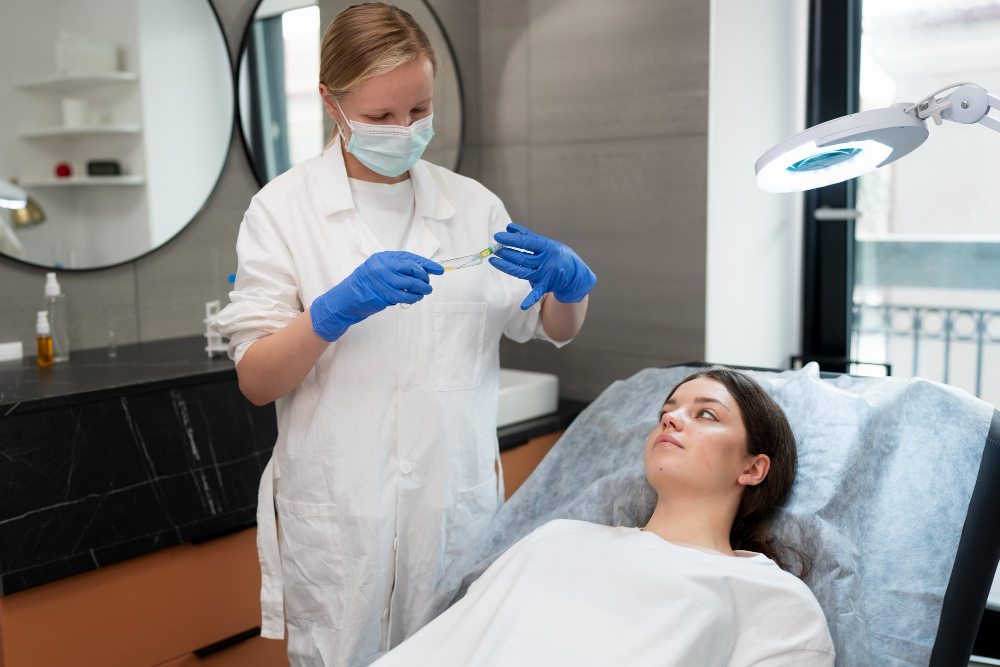
Once the treatment plan is established, the exosome preparation is selected and prepared according to the intended application.
Exosomes can be derived from different cell sources and may contain various biological components. The quality and characteristics of the preparation can vary depending on how it is sourced, processed, stored, and handled.
The preparation process may involve:
- Selecting the appropriate product
- Following storage requirements
- Preparing the treatment dose
- Maintaining sterile conditions
- Following the manufacturer’s instructions
Because product quality can vary, it is important to receive treatment from a qualified provider who uses appropriately sourced and handled products.
The Treatment Area Is Prepared
Before exosomes are delivered, the treatment area is carefully prepared.
For skin or scalp treatments, the provider typically cleans the area to reduce the risk of contamination. Depending on the delivery method, a topical numbing cream may also be used to improve comfort.
Preparation may include:
- Cleaning the treatment area
- Disinfecting the skin
- Marking target areas
- Applying topical anesthesia when appropriate
- Preparing the delivery equipment
The exact preparation depends on the treatment being performed.
Exosomes Are Delivered to the Target Area
The next step is delivering the exosomes to the area being treated.
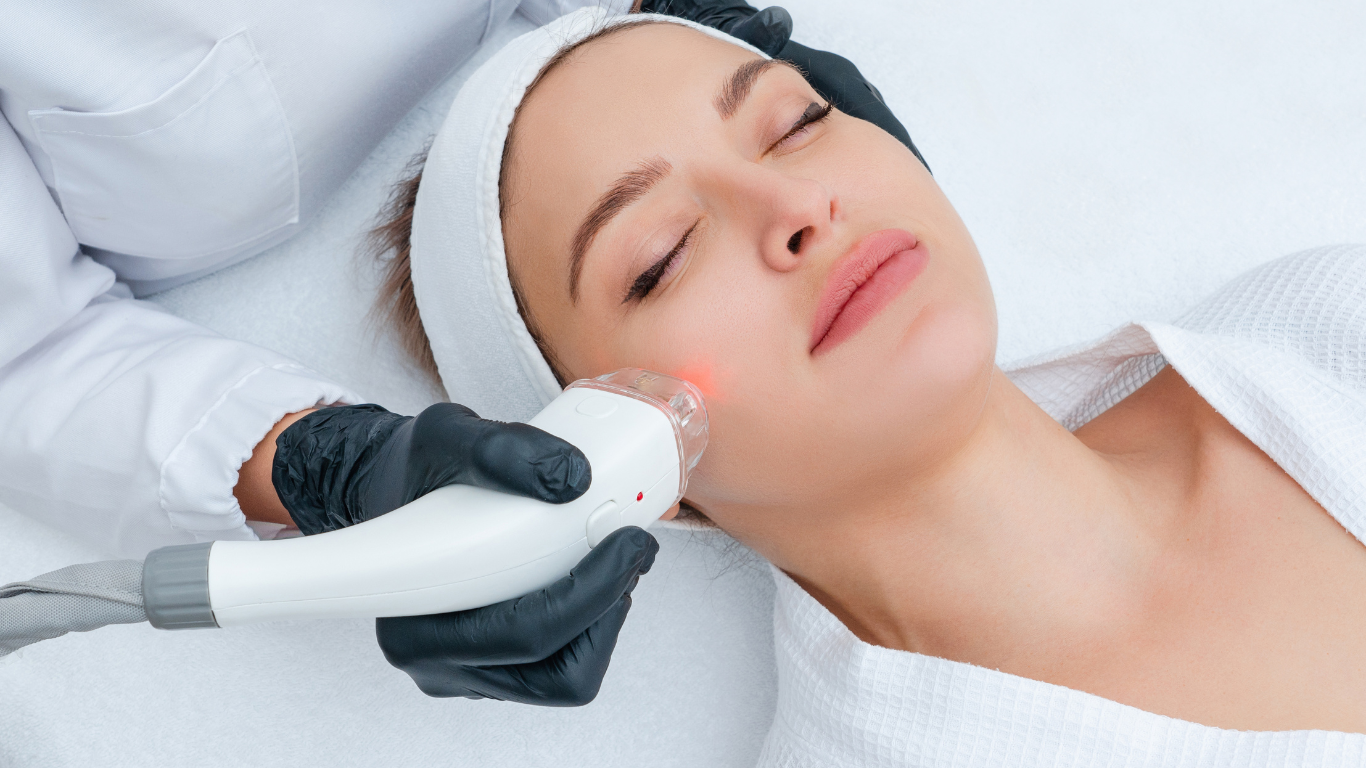
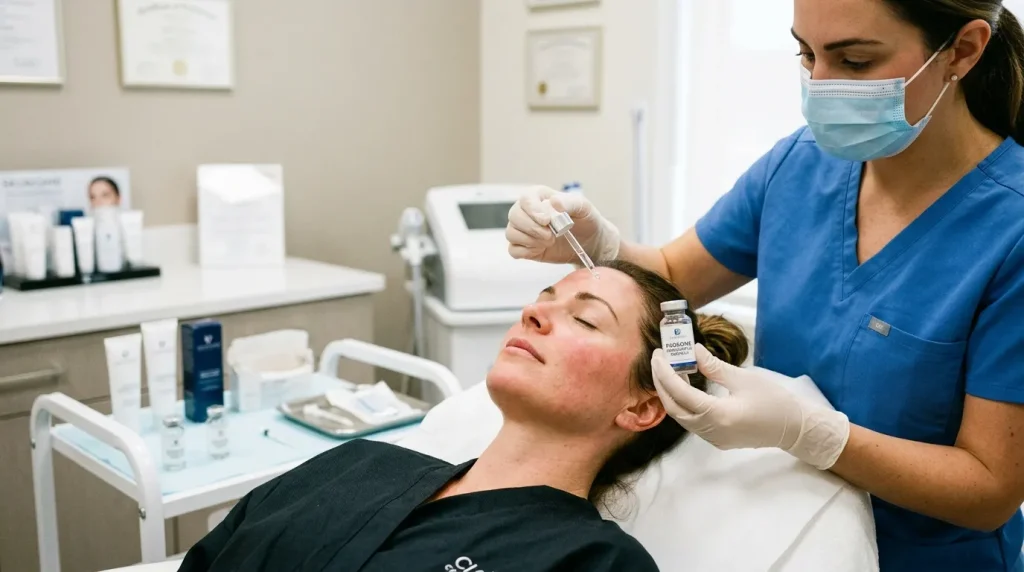
Different treatment methods may be used depending on the purpose of the therapy. For example, exosomes may be delivered alongside microneedling or through targeted injections in certain aesthetic applications.
Possible delivery approaches include:
- Microneedling
- Topical application after skin procedures
- Other specialized delivery methods
The method chosen should be based on the treatment goal and the recommendations of a qualified healthcare provider.
Cells Receive Biological Signals
Once exosomes reach the target area, they interact with nearby cells and deliver biological signals.
These signals may influence how cells behave and communicate with one another. Exosomes can carry various molecules that are involved in processes such as inflammation, cell growth, and tissue repair.
Their signaling activity may help:
- Support cell communication
- Regulate biological responses
- Encourage repair processes
- Influence inflammation
- Support tissue maintenance
This cell-to-cell communication is one of the main reasons exosomes are being studied in regenerative medicine.
The Body Starts the Healing Process
After treatment, the body’s natural healing processes begin responding to the signals provided by the therapy.
Depending on the application, exosomes may help create an environment that supports tissue repair and regeneration. They may influence inflammatory responses and encourage activity among cells involved in healing.
This process may support:
- Tissue repair
- Reduced inflammation
- Cell regeneration
- Collagen production
- Improved healing
The response varies from person to person and depends on factors such as overall health, age, the condition being treated, and the treatment protocol.
Repair and Regeneration Continue
The effects of exosome therapy do not necessarily happen immediately. Biological repair is a gradual process that can continue after the treatment session.
As cells respond to biological signals, the treated tissue may undergo ongoing repair and remodeling.
Over time, this process may support:
- New collagen formation
- Improved tissue quality
- Skin regeneration
- Healthier hair follicles
- Wound recovery
- Tissue remodeling
The timeline depends heavily on the type of treatment and the individual’s natural healing response.
Results Develop Over Time
Exosome therapy is generally not an instant treatment. Visible results, when they occur, typically develop gradually as the body’s natural repair processes continue.
For skin treatments, improvements may include changes in texture, hydration, or overall appearance. For hair treatments, any improvement in hair growth or density may take longer because hair follicles follow a natural growth cycle.
Results may be influenced by:
- Treatment area
- Individual biology
- Age
- Overall health
- Lifestyle
- Severity of the condition
- Number of treatments
It’s important to have realistic expectations and understand that results can vary significantly between individuals.
Conclusion
The process involves using microvesicles from the cells to transport biological messages which might affect cellular communications and facilitate the natural body repair mechanisms. The process involves consultation, preparation, and delivery of the exosomes to the desired area.
The effect that exosomes have on the cells and their influence on the healing process is not immediate but gradually unfolds. This means that a patient may need to wait for weeks or even months before the results of the treatment become visible.
Even though exosome treatment is a promising field in regenerative medicine research, there are numerous applications that are yet to be explored. Any person interested in using the treatment should talk to a qualified healthcare provider for more information on the specific product and procedure.
Also Read: Common Myths About Exosome Therapy