The human body has an amazing capacity to repair itself following injuries. Irrespective of whether they are cuts, wounds from surgical interventions, or injured skin, the process of tissue regeneration is facilitated by the activities of millions of cells. Perhaps one of the biggest breakthroughs achieved within regenerative medicine is the role of exosomes in this process.
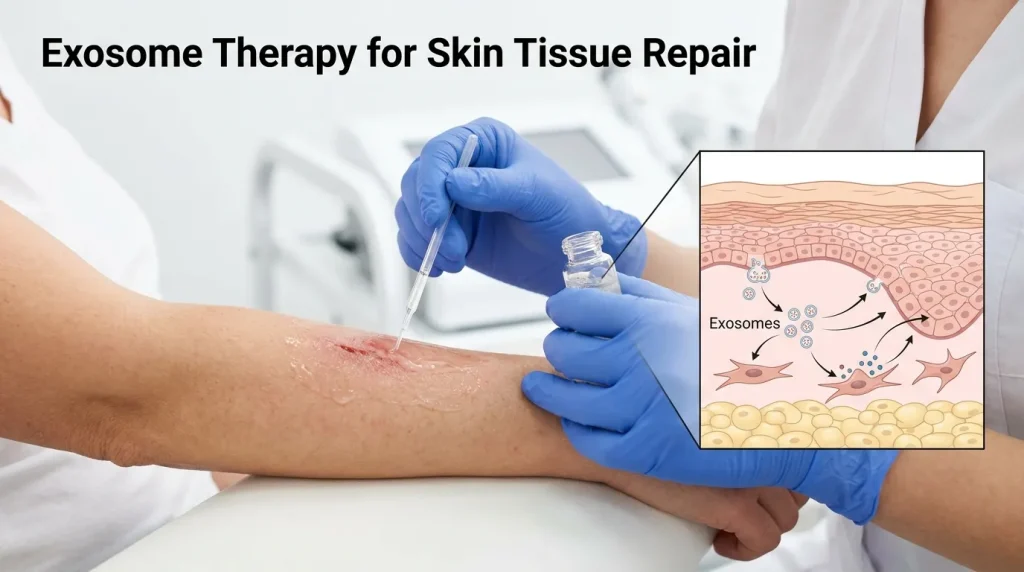
Exosomes are very small entities secreted by cells, which contain various proteins, growth factors, RNA, and other signaling agents. Exosomes serve as the means of cell communication, facilitating coordinated action and enhancing the process of tissue regeneration. Rather than substituting damaged cells with new cells, exosomes enable more efficient actions of existing ones.
Here are some of the functions that exosomes perform in the process of tissue repair.
Delivering Bioactive Molecules to Damaged Cells
One of the primary functions of exosomes is transporting bioactive molecules to injured tissues.
These molecules help damaged cells receive the signals they need to begin repairing themselves and restoring normal function.
Exosomes may deliver:
- Growth factors
- Proteins
- Messenger RNA (mRNA)
- MicroRNA (miRNA)
- Lipids
- Signaling molecules
These components help create an environment that supports tissue healing.
Enhancing Cell-to-Cell Communication
Successful tissue repair depends on good communication between cells.
Exosomes act as messengers, carrying information from one cell to another. This allows different types of cells to coordinate the healing process more effectively.
Better communication helps:
- Coordinate tissue repair
- Regulate healing signals
- Support healthy cell function
- Improve repair efficiency
- Maintain tissue balance
Efficient communication helps the body respond more effectively after injury.
Reducing Inflammation at the Injury Site
Inflammation is a normal part of healing, but excessive or prolonged inflammation can slow recovery and damage healthy tissue.
Research suggests that exosomes may help regulate inflammatory responses and encourage a more balanced healing environment.
Potential benefits include:
- Reduced inflammation
- Less tissue damage
- Improved healing conditions
- Better recovery support
- Balanced immune response
Managing inflammation is an important step in successful tissue repair.
Stimulating Cell Growth and Proliferation
Healing requires healthy cells to multiply and replace damaged tissue.
Exosomes contain signaling molecules that may encourage certain cells to grow and divide more efficiently during the repair process.
This may support:
- Cell growth
- Cell division
- Tissue regeneration
- Faster recovery
- Healthy tissue replacement
Increased cell activity helps rebuild damaged areas more effectively.
Supporting Collagen and Extracellular Matrix Formation
Collagen gives tissues their strength and structure, while the extracellular matrix provides the framework that supports cells during healing.
Exosomes may help stimulate the production of both.
This can contribute to:
- Improved collagen production
- Better skin structure
- Increased tissue strength
- Improved elasticity
- Healthier wound healing
Strong collagen production is especially important for skin repair and aesthetic treatments.
Promoting New Blood Vessel Formation
New tissue needs a healthy blood supply to receive oxygen and nutrients.
Exosomes may encourage angiogenesis, which is the formation of new blood vessels in healing tissues.
This process supports:
- Better blood circulation
- Increased oxygen delivery
- Improved nutrient supply
- Faster tissue repair
- Healthier healing
Good blood flow is essential for efficient regeneration.
Activating Fibroblasts for Tissue Regeneration
Fibroblasts are specialized cells responsible for producing collagen and maintaining connective tissue.
Exosomes may activate fibroblasts, helping them perform their role more effectively during healing.
Fibroblast activity supports:
- Collagen formation
- Tissue repair
- Skin firmness
- Wound closure
- Structural support
Healthy fibroblast function plays an important role in maintaining youthful, resilient skin.
Encouraging Stem Cell Recruitment and Repair Processes
While exosomes are not stem cells themselves, they may help support the body’s natural repair mechanisms by influencing stem cell activity.
Research suggests exosomes may encourage stem cells to migrate toward damaged tissue and participate in the healing process.
This may help promote:
- Natural repair mechanisms
- Tissue regeneration
- Cell replacement
- Improved healing response
- Long-term recovery
Scientists continue to study this area as regenerative medicine advances.
Speeding Up Wound Healing and Tissue Recovery
One of the reasons exosomes have attracted so much attention is their potential to support faster healing.
By helping multiple stages of the repair process, exosomes may contribute to quicker tissue recovery following injury or cosmetic procedures.
Potential benefits include:
- Faster wound healing
- Reduced downtime
- Improved tissue repair
- Better skin recovery
- Enhanced healing response
Recovery time varies depending on the individual and the treatment performed.
Supporting Long-Term Tissue Regeneration and Remodeling
Healing doesn’t end once a wound closes. The body continues remodeling tissue for weeks or even months afterward.
Exosomes may help support this long-term remodeling process, leading to stronger, healthier tissue over time.
Long-term support may include:
- Improved tissue quality
- Better collagen organization
- Increased skin strength
- Enhanced elasticity
- Healthier tissue remodeling
These ongoing changes contribute to improved tissue function and appearance.
Conclusion
Exosomes are gaining significant attention in regenerative medicine research due to the potential for assisting in the body’s natural healing process. Through the delivery of bioactive molecules, enhancement of intercellular communication, reduction of inflammation, promotion of collagen production, and stimulation of proper tissue regeneration, exosomes might provide a supportive environment for recovering tissues.
Although further research on the use of exosomes in therapy is required, available data shows that they have the potential to become useful tools in treating wounds, restoring the skin and other tissues. Like all other medical or aesthetic procedures, the outcomes of exosome treatments differ from individual to individual.
Also Read: What To Expect After Exosome Treatment?