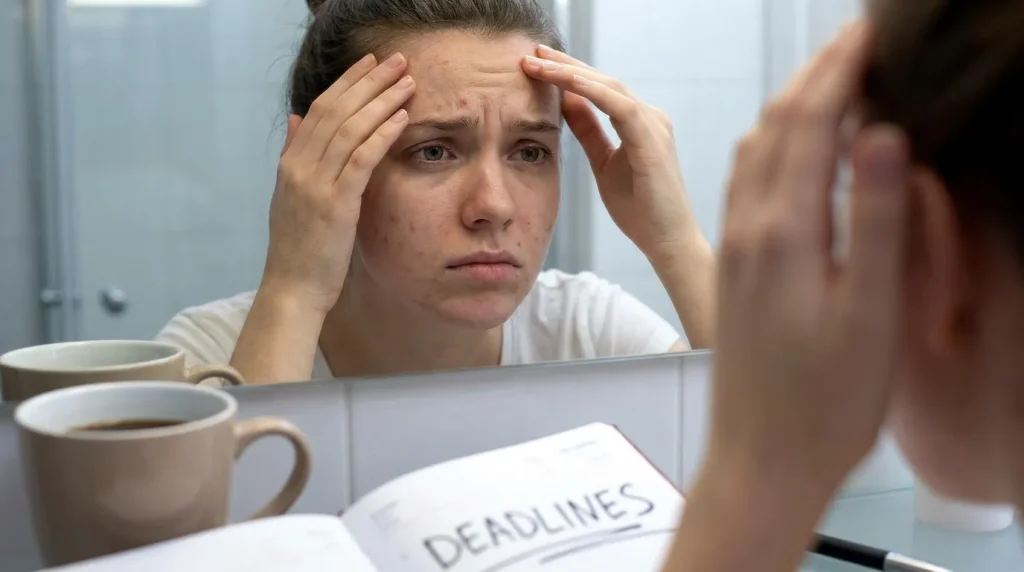
There is no person who doesn’t face stress in his/her life; however, stress can bring about some other changes as well, along with impacting our mood and energy level. Skin too can be affected by the stressful periods that we experience in our lives. Stress can affect hormone level, inflammation, oil secretion, irritation, hydration and healing.
It might cause existing skin problems to worsen or even create new skin problems. When you realize that you are experiencing increased skin problems during the stressful periods in your life, it means your skin is reacting to it.
Here’s an expanded version of exactly how stress can affect your skin.
Can Cause Acne Breakouts
Stress is one of the factors that may cause acne formation due to its effect on hormones and oil production. In case you get stressed, there will be some hormones that will be secreted, and they will affect the sebaceous glands.
As a result, you will have excess amounts of oil on your skin, and it may combine with the dead skin cells and cause clogging of your pores.
This may result in appearance of more acne spots, blackheads, or other types of acne formation. Stress may affect your daily routines as well.
To support your skin during stressful periods:
- Keep your routine simple
- Cleanse gently
- Avoid picking at breakouts
- Use non-comedogenic products
- Keep your skin moisturized
Managing stress can help reduce the factors that contribute to acne and support healthier-looking skin. Along with a simple skincare routine, getting enough sleep, eating well, and finding healthy ways to manage stress can help keep breakouts under control.
Increases Skin Inflammation
Stress can affect the body’s inflammatory response. Prolonged stress may increase inflammation in the skin, making it look red, swollen, irritated, or feel uncomfortable. It can also make existing skin problems worse during stressful periods.
To support your skin when inflammation occurs:
- Use a gentle skincare routine
- Avoid using multiple active ingredients at once
- Choose mild, fragrance-free products
- Avoid harsh scrubs and strong cleansers
- Keep your skin moisturized
Taking gentle care of your skin during stressful periods can help reduce irritation and support a healthy skin barrier. Avoiding harsh products can also give your skin time to recover.
Can Worsen Eczema
People with eczema may notice that their symptoms become worse during stressful periods. Stress does not necessarily cause eczema, but it can act as a trigger for some people.
You may notice:
- Increased itching
- More redness
- Greater dryness
- Skin irritation
- More frequent flare-ups
Managing known triggers and keeping the skin moisturized can help support the skin barrier. If eczema symptoms are persistent or severe, a healthcare professional can recommend appropriate treatment.
May Trigger Psoriasis Flare-Ups
Stress is a common trigger for psoriasis flare-ups. It may affect the body’s immune response, which can cause skin cells to grow too quickly. This can lead to raised, red, itchy, and scaly patches on the skin.
To help manage psoriasis during stressful periods:
- Identify and avoid known stress triggers
- Follow your prescribed treatment plan
- Keep your skin moisturized
- Use gentle skincare products
- Avoid scratching affected areas
Managing stress and following a consistent skincare and treatment routine may help reduce psoriasis flare-ups. If your symptoms become worse or continue for a long time, speak with a healthcare professional.
Causes Dry or Dehydrated Skin
Stress can affect the skin barrier, which plays an important role in keeping moisture inside the skin. When the barrier is not functioning well, the skin may lose water more easily.
This can leave your skin feeling:
- Tight
- Rough
- Flaky
- Dry
- Uncomfortable
A gentle cleanser and regular moisturizer can help support hydration. Look for products designed to protect and replenish the skin barrier rather than relying on harsh exfoliants.
Can Increase Skin Sensitivity
Stress may make your skin feel more reactive. Products that normally feel comfortable may suddenly cause stinging, redness, or irritation.
This can happen when the skin barrier becomes weaker or inflammation increases.
If your skin becomes more sensitive during stressful periods, consider temporarily simplifying your routine:
- Use a gentle cleanser.
- Apply a fragrance-free moisturizer.
- Wear sunscreen during the day.
- Avoid unnecessary exfoliation.
- Introduce new products slowly.
Giving your skin fewer things to react to can make your routine easier to manage.
May Slow Wound Healing
Stress may affect some of the body processes involved in wound repair. Prolonged stress can interfere with the body’s ability to recover from skin damage, which may cause wounds to take longer to heal.
To support proper wound healing:
- Avoid picking at acne, scabs, or wounds
- Keep the affected area clean
- Protect the wound from further irritation
- Avoid touching the wound unnecessarily
- Follow proper wound-care instructions
Giving the skin time to heal can help prevent further damage and irritation. If a wound heals slowly, becomes painful, shows signs of infection, or keeps reopening, seek medical care.
Can Make Skin Look Dull
When you’re stressed, your skin may look tired or dull. This can be linked to several factors, including poor sleep, dehydration, changes in routine, and the effects of ongoing stress on the body.
Stress can also make it harder to maintain healthy daily habits. You may sleep less, drink less water, eat irregularly, or spend less time caring for your skin.
To support a healthier-looking complexion:
- Get enough sleep.
- Stay hydrated.
- Eat a balanced diet.
- Keep your skincare routine consistent.
- Protect your skin from the sun.
You don’t need a complicated skincare routine to improve the appearance of tired skin.
May Increase Oil Production
Stress can affect hormone levels, which may increase activity in the sebaceous glands and cause the skin to produce more oil. Excess oil can make the skin look greasy and may contribute to clogged pores, blackheads, and breakouts.
To manage excess oil during stressful periods:
- Cleanse your skin gently
- Avoid washing your face too often
- Use non-comedogenic skincare products
- Keep your skin moisturized
- Avoid harsh products that can dry out the skin
Keeping the skin clean without removing all its natural oils can help maintain a healthy balance. A gentle skincare routine may also help reduce excess oil and prevent clogged pores.
Can Contribute to Premature Skin Aging
Long-term stress may also affect the way your skin ages. Ongoing stress can contribute to inflammation and oxidative stress, while poor sleep and other stress-related lifestyle changes may further affect skin health.
Over time, these factors may contribute to visible concerns such as:
- Fine lines
- Dullness
- Uneven texture
- Loss of firmness
- Reduced skin resilience
Stress management therefore forms part of a broader approach to maintaining healthy-looking skin. Protecting your skin from UV exposure, getting enough sleep, eating well, and maintaining a consistent skincare routine can all help.
How Can You Manage Stress-Related Skin Problems?
If your skin tends to react when you’re stressed, focus on consistency rather than adding lots of new products. Your skin usually benefits more from a simple routine that you can maintain.
Helpful habits include:
- Cleanse your skin gently.
- Moisturize regularly.
- Use sunscreen during the day.
- Avoid picking or squeezing spots.
- Get enough sleep.
- Stay hydrated.
- Take regular breaks from stressful activities.
- Follow treatment prescribed for existing skin conditions.
Stress management can look different for everyone. Walking, exercise, relaxation techniques, hobbies, social connection, and maintaining a regular sleep schedule can all be useful ways to manage everyday stress.
When Should You See a Dermatologist?
Stress-related skin changes often improve when the underlying stress decreases, but persistent symptoms should not automatically be blamed on stress.
Consider speaking with a dermatologist if you have:
- Persistent or severe acne
- Frequent eczema flare-ups
- Uncontrolled psoriasis
- Significant skin irritation
- A rash that does not improve
- Wounds that heal unusually slowly
- Sudden or unexplained skin changes
A dermatologist can determine whether stress is contributing to the problem or whether another skin condition needs attention.
Conclusion
There are many ways in which stress can affect skin health, including causing the appearance of pimples and oily skin. Moreover, stress can worsen such problems as inflammation, dryness, irritations, eczema, and psoriasis. Moreover, stress can influence the healing process of wounds and cause you to become pale and look older than you really are.
Thus, it is important to care for your skin and health simultaneously. Do not use harsh cosmetics, remember to protect yourself from the sun, consume enough water, get proper sleep, and lower stress levels whenever possible.
Also Read: How Sun Exposure Affects Skin Health?