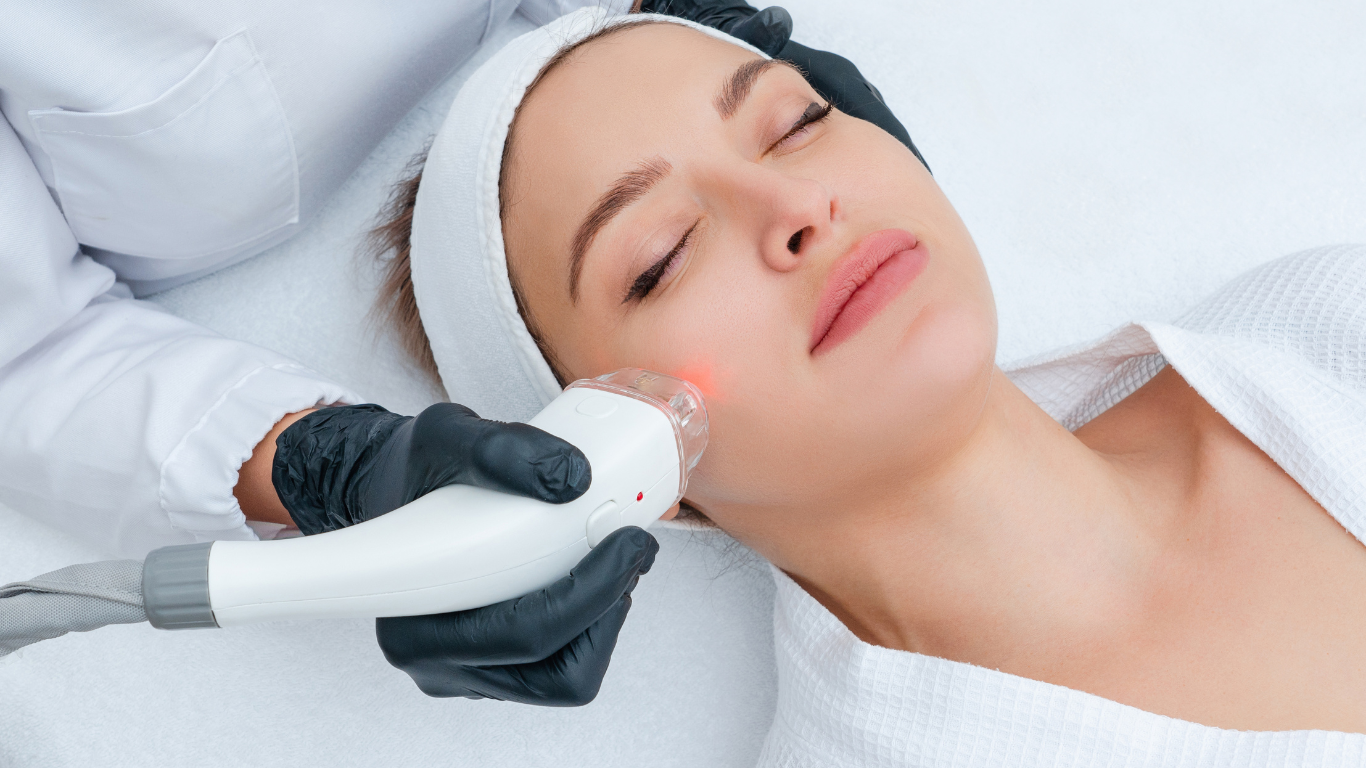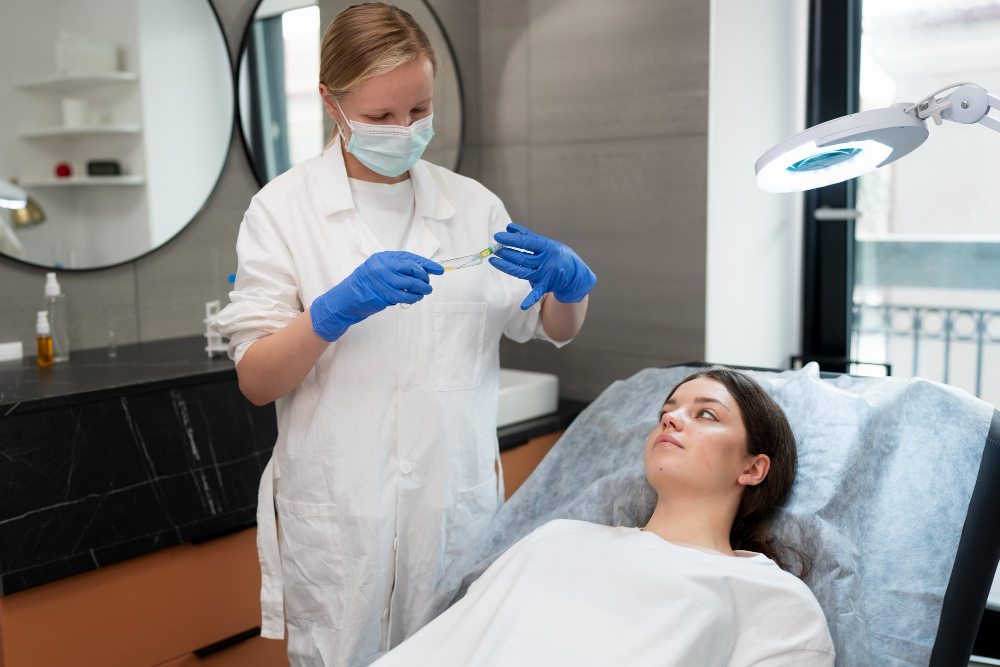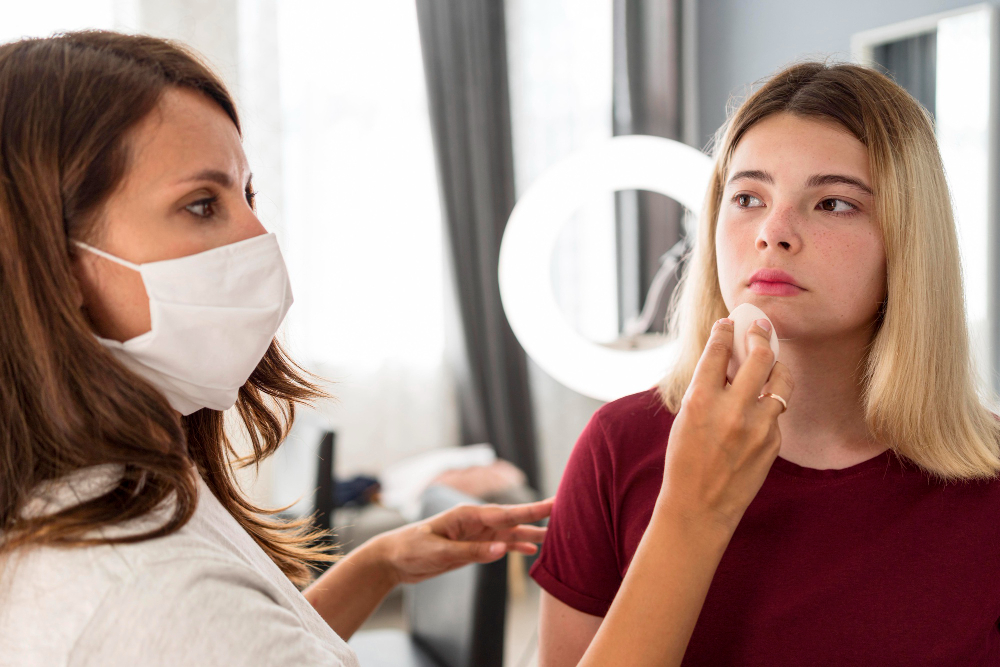
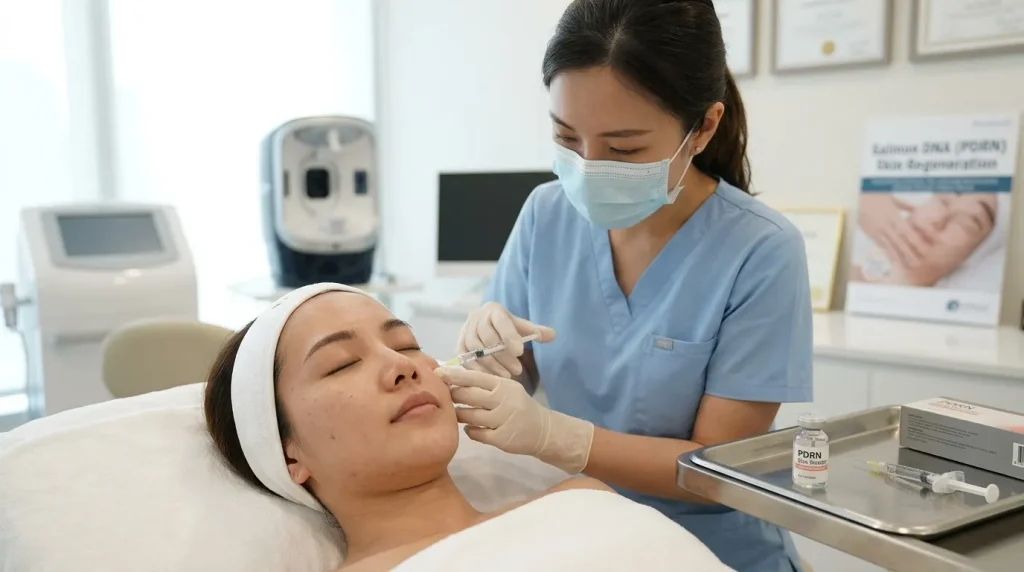
In the case of a PDRN procedure, appropriate aftercare would allow you to safeguard the affected area and prevent any additional irritation.
The skin might experience temporary redness, sensitivity, and even swelling depending on the way the procedure was carried out and the presence of other procedures, such as microneedling and injections.
Aftercare recommendations may differ from clinic to clinic, depending on the type of the procedure carried out, but generally speaking, refraining from heat, friction, sunlight, and harsh skincare is beneficial.
Touching or Rubbing the Skin
Try to avoid touching, rubbing, scratching, or massaging the treated area unless your provider specifically tells you to do so. The skin may be sensitive immediately after treatment, and unnecessary contact can cause irritation.
It is also a good idea to:
- Wash your hands before touching the area.
- Avoid rubbing the skin with towels.
- Avoid picking at any dry or flaky skin.
- Let the skin recover naturally.
Use gentle patting motions if you need to dry or apply products to the treated area.
Makeup
Your provider may recommend avoiding makeup for a certain period after treatment, especially if the procedure involved microneedling or other treatments that temporarily affect the skin barrier.
Applying makeup too soon may:
- Irritate sensitive skin.
- Introduce bacteria to the treated area.
- Increase the risk of clogged pores.
- Make it harder for the skin to recover.
Follow your provider’s instructions about when it is appropriate to resume wearing makeup.
Heavy Exercise
Intense exercise can increase body temperature, sweating, and blood flow. Depending on the procedure, this may contribute to additional redness or irritation shortly after treatment.
For the period recommended by your provider, avoid activities such as:
- Intense gym workouts.
- Running or high-intensity exercise.
- Hot yoga.
- Heavy weight training.
- Activities that cause excessive sweating.
Light daily activities may be acceptable, but follow the specific aftercare instructions provided for your treatment.
Saunas and Steam
Saunas, steam rooms, and other high-heat environments can expose recently treated skin to excessive heat and moisture.
This may increase:
- Redness.
- Warmth.
- Skin sensitivity.
- Temporary swelling.
It is generally best to avoid these environments until your provider confirms that your skin has recovered sufficiently.
Hot Showers
Very hot water may also serve to irritate sensitive skin that was just worked on during the aesthetic treatment. Lukewarm water is preferred to very hot water in cleansing the treated area.
However, follow the advice of your practitioner on this.
Keep your routine simple by:
- Using lukewarm water.
- Avoiding harsh rubbing.
- Using a gentle cleanser if approved.
- Patting the skin dry.
Direct Sun Exposure
Protecting your skin from excessive UV exposure is particularly important after many aesthetic treatments. Recently treated skin may be more sensitive to environmental exposure.
Try to:
- Avoid prolonged direct sunlight.
- Wear protective clothing or a hat.
- Stay in the shade when possible.
- Use sunscreen when your provider advises that it is appropriate.
Always follow your provider’s instructions regarding when and how to apply sunscreen after your specific treatment.
Harsh Skincare
After PDRN treatment, your skin may benefit from a simple and gentle routine. Avoid introducing strong or potentially irritating products without checking with your provider.
Products that may need to be temporarily avoided include:
- Strong active ingredients.
- Retinoids.
- High-strength acids.
- Strong acne treatments.
- Products that cause stinging or irritation.
Your provider can tell you when it is appropriate to restart your regular skincare routine.
Exfoliation
Physical scrubs and chemical exfoliants can irritate skin that is still recovering. Avoid exfoliating the treated area until your provider confirms that it is safe to resume.
This can include:
- Facial scrubs.
- Exfoliating brushes.
- Alpha hydroxy acids.
- Beta hydroxy acids.
- Exfoliating pads.
Allowing the skin time to recover may be more beneficial than trying to remove dryness or flaking too quickly.
Other Aesthetic Treatments
Avoid scheduling additional aesthetic procedures too soon after PDRN treatment unless they are specifically part of your treatment plan.
Depending on the procedure, your provider may recommend waiting before treatments such as:
- Chemical peels.
- Laser treatments.
- Microneedling.
- Injectable treatments.
- Other skin resurfacing procedures.
Combining treatments without appropriate spacing may increase irritation or make it difficult to assess how your skin is responding.
How Long Should You Follow PDRN Aftercare Instructions?
Recovery time will vary depending on how PDRN is delivered, whether it is combined with other treatments, which part of the body it is used on, and your personal reaction to the treatment. Some patients may have only mild redness, while others may require more time to recover.
Your clinic should provide clear instructions about:
- When you can wash your face.
- When you can wear makeup.
- When to restart active skincare.
- When you can exercise.
- When other aesthetic treatments are appropriate.
Following these instructions is more reliable than using a general timeline.
When Should You Contact Your Provider?
Mild temporary redness, swelling, or sensitivity can occur after some aesthetic procedures. However, contact your healthcare provider if you experience symptoms that seem unusual or continue to worsen.
Seek professional advice if you notice:
- Increasing pain.
- Significant swelling.
- Signs of infection.
- Severe or persistent redness.
- Unusual skin reactions.
- Any symptoms that concern you.
Conclusion
Following the administration of PDRN, it is advisable that your skin be left alone for some time and not subjected to anything that may cause undue warmth, friction, irritation, or exposure to the sun. Such factors may include any form of touch, putting on of make-up, exercise, saunas, hot baths, rough skin care routines, exfoliation, and aesthetic procedures.
Depending on the type of procedure that was performed, the duration of aftercare may differ. It is always important to follow the advice offered by your clinic or medical practitioner.
Also Read: What Is PDRN? Benefits, Uses, Safety & How It Works