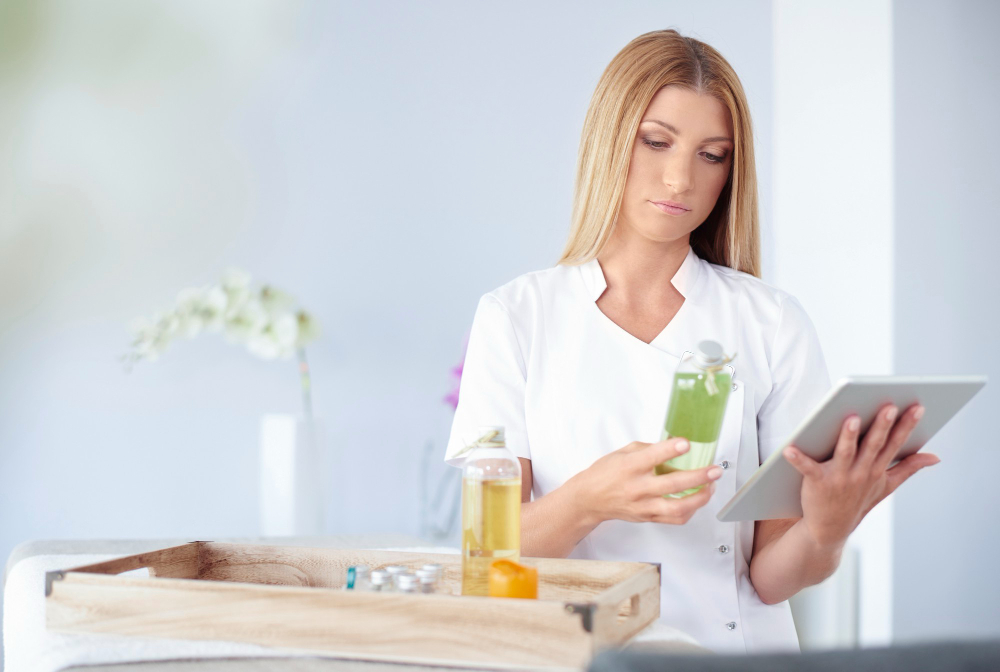

Modern aesthetic medicine is increasingly moving beyond the treatment room. While injectable treatments and professional skincare remain essential components of facial rejuvenation, growing scientific understanding has highlighted the importance of supporting skin health from within.
The biological processes that influence collagen production, tissue repair, hydration, and healthy ageing are all affected by nutritional status. As a result, nutricosmetics and targeted skin health supplements have emerged as valuable additions to comprehensive treatment plans.
For clinics committed to delivering long-term results rather than isolated interventions, nutritional support represents an important opportunity to enhance patient outcomes and promote a more holistic approach to aesthetic care.
Addressing the Biological Foundations of Skin Health
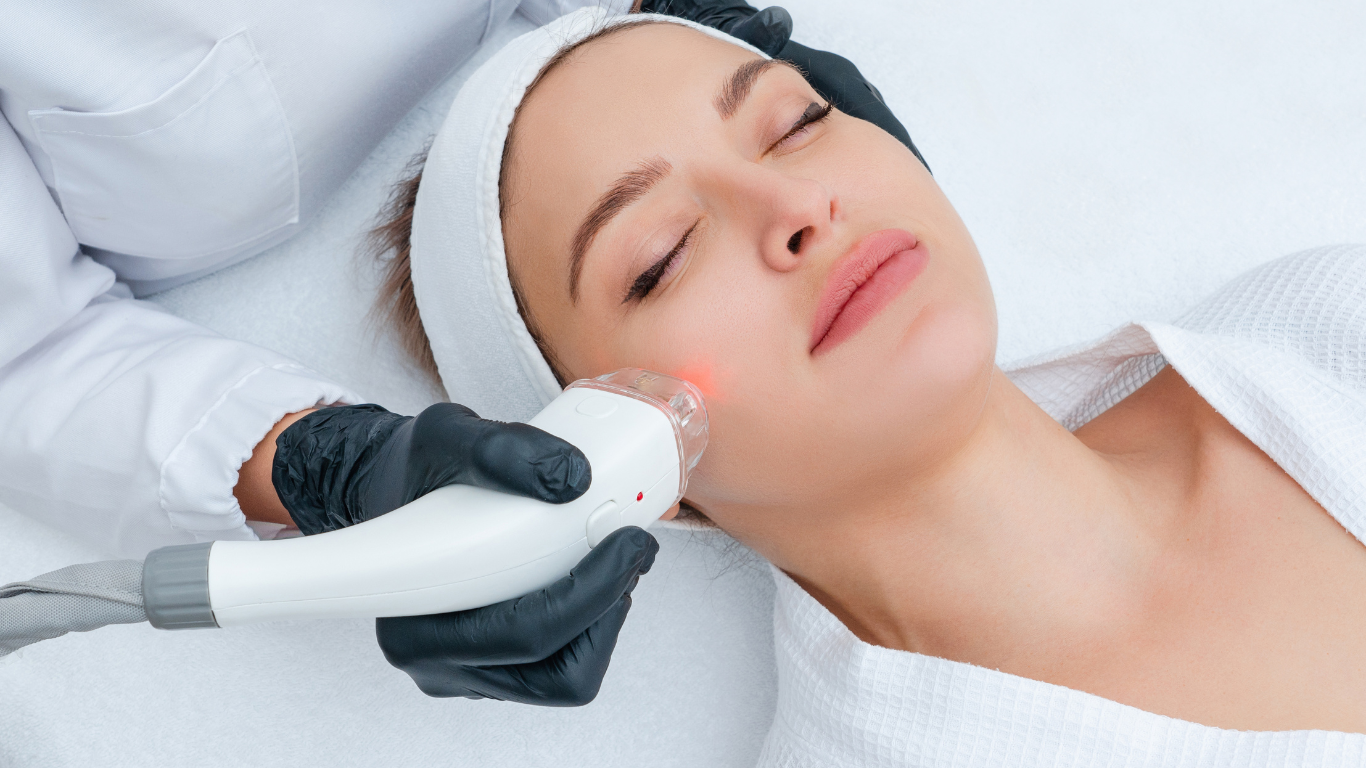
Clinical treatments are highly effective at addressing visible concerns such as volume loss, skin laxity, texture irregularities, and signs of ageing. However, the skin continues to undergo biological changes between appointments, and the quality of those changes is influenced by the body’s internal environment.
Collagen synthesis depends on adequate levels of vitamin C, zinc, copper, and essential amino acids. Skin hydration is supported by the body’s ability to maintain hyaluronic acid within the extracellular matrix, while cellular repair relies on effective antioxidant protection against oxidative stress.
When nutritional deficiencies or lifestyle factors compromise these processes, the skin’s ability to regenerate and maintain treatment outcomes may be affected.
Targeted supplementation helps support these biological pathways, providing the nutrients required to maintain healthy skin function and complement in-clinic procedures.
What Defines a Clinical-Grade Supplement?
As the popularity of beauty supplements continues to grow, the market has become increasingly crowded with products that vary considerably in quality and formulation.
Clinical-grade supplements are distinguished by evidence-based ingredient selection, scientifically supported dosages, and highly bioavailable forms that can be efficiently absorbed and utilised by the body.
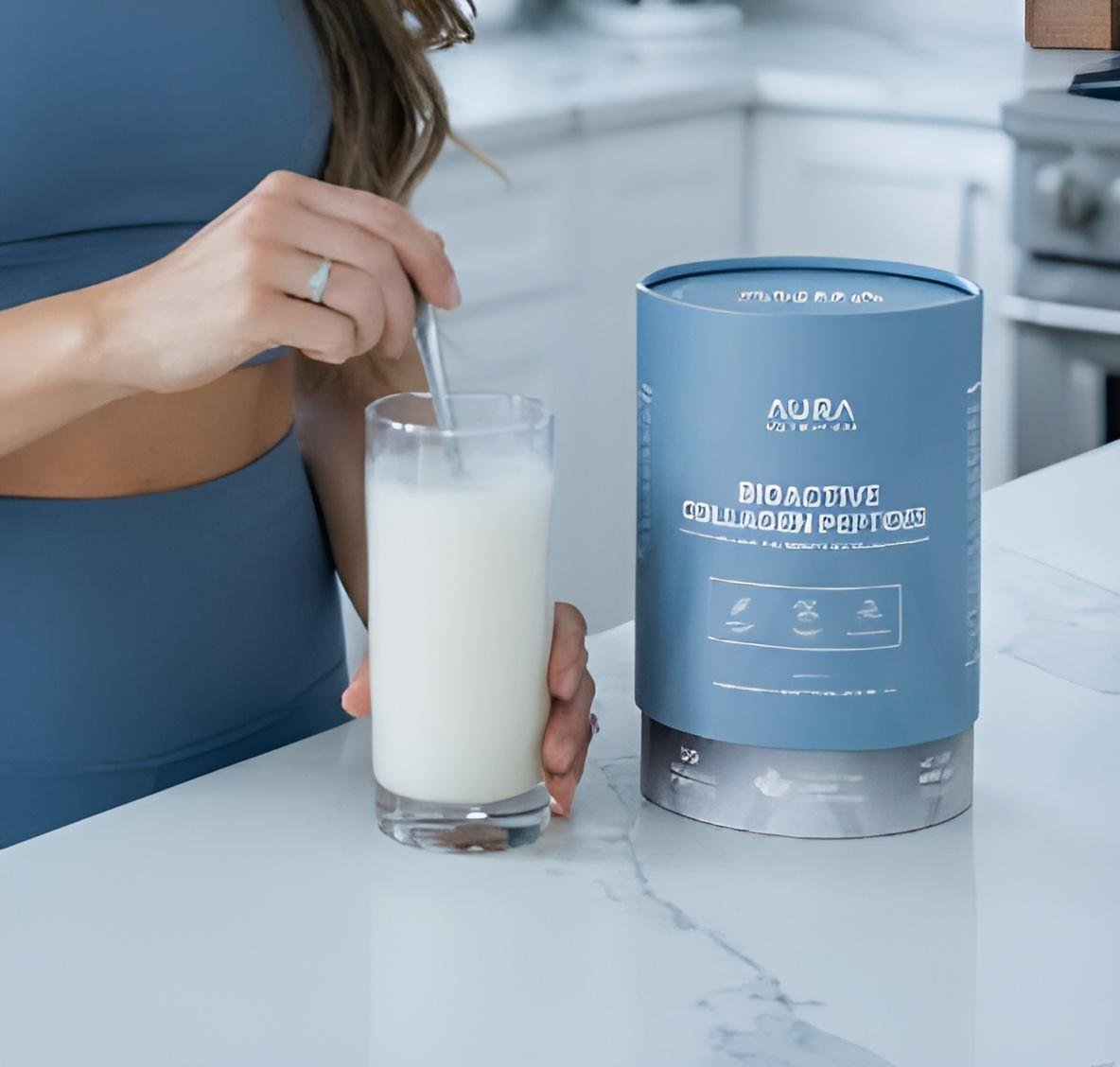
Several ingredients have demonstrated particular value in supporting skin health. Hydrolysed collagen peptides have been associated with improvements in skin elasticity and fibroblast activity. Vitamin C plays an essential role in collagen synthesis, while hyaluronic acid contributes to hydration from within. Biotin supports skin barrier function, and antioxidants such as astaxanthin and coenzyme Q10 help protect against oxidative stress and environmental damage.
The effectiveness of supplementation depends not only on the ingredients themselves, but also on the quality, concentration, and formulation behind them.
Supporting and Extending Clinical Results
Nutritional support can play an important role in enhancing the benefits of aesthetic treatments.
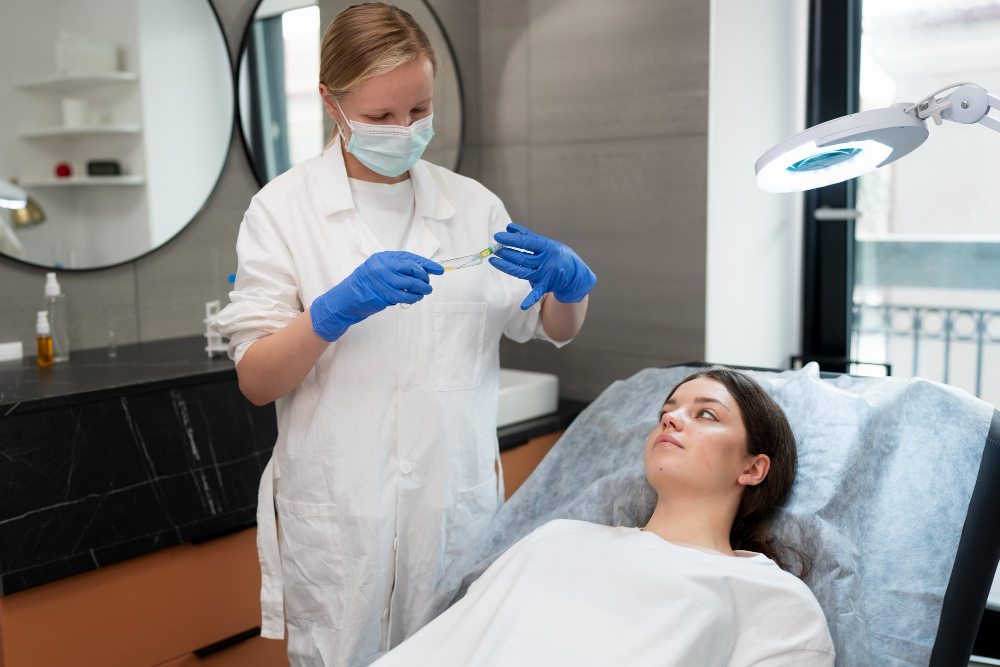
For patients undergoing collagen-stimulating protocols, providing the body with the nutrients required for collagen synthesis may help support the regenerative processes initiated by biostimulators. The treatment stimulates fibroblast activity, while targeted supplementation helps provide the building blocks necessary for new collagen formation.
Similarly, patients receiving dermal fillers benefit from maintaining healthy tissue quality. Strong, well-nourished skin provides a more supportive environment for aesthetic treatments and contributes to more harmonious and longer-lasting results.
By addressing both external correction and internal support, practitioners can adopt a more comprehensive approach to rejuvenation.
Integrating Nutrition Into the Patient Journey
Introducing nutritional support into a clinic’s treatment protocols does not require significant changes to existing workflows.
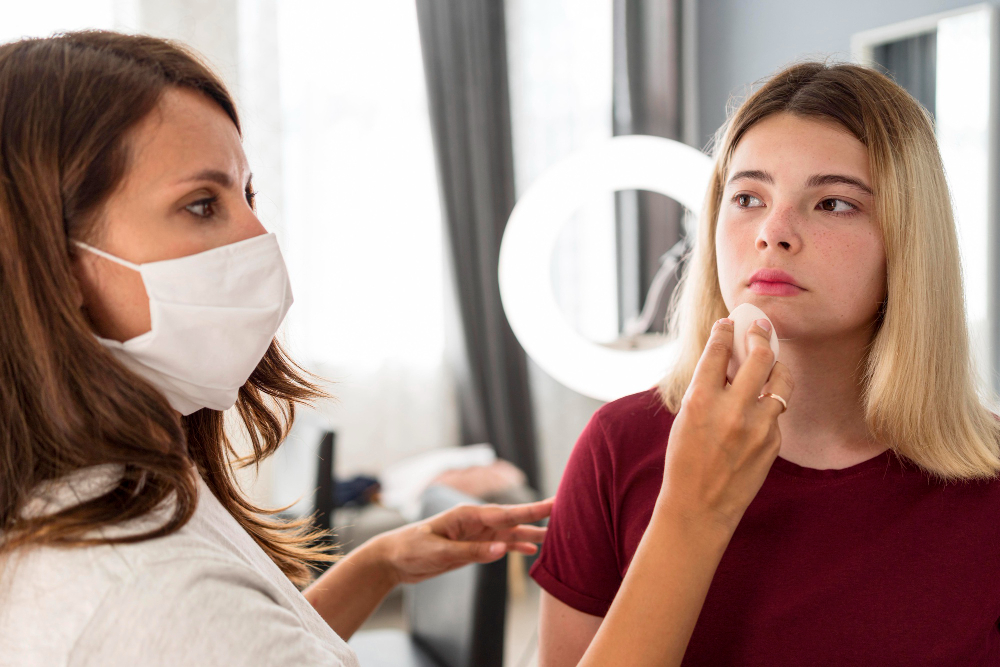
Simple conversations during the consultation can help identify lifestyle factors, dietary habits, and existing supplementation practices that may influence skin health. These discussions allow practitioners to provide personalised recommendations that complement the patient’s aesthetic treatment plan.
When nutritional guidance is delivered within a clinical setting, patients often view supplementation as part of a broader strategy for maintaining skin health rather than as a standalone wellness product.
This integrated approach reinforces the clinic’s role as a trusted partner in long-term patient care and supports stronger relationships built on education and continuity.
A More Holistic Approach to Aesthetic Medicine
The future of aesthetic medicine lies in treating skin health from multiple perspectives. Injectable procedures, professional skincare, lifestyle factors, and nutritional support all contribute to maintaining tissue quality and supporting healthy ageing.
As patients increasingly seek comprehensive solutions rather than isolated treatments, clinics that embrace a holistic model of care are well positioned to deliver more sustainable and meaningful outcomes.
Supporting patients beyond the treatment room creates opportunities to enhance satisfaction, improve treatment longevity, and strengthen long-term engagement.
Conclusion
Healthy skin is influenced by far more than what is applied to the surface or delivered through injectable treatments. Lasting results are built upon the biological foundations that support collagen production, tissue repair, and overall skin quality.
By incorporating targeted nutritional support into their treatment protocols, practitioners can help patients maintain and extend the benefits of clinical procedures while promoting a more comprehensive approach to skin health.
At AURA, we believe exceptional outcomes are achieved through a combination of science, quality, and continuity of care. Developed to the same uncompromising pharmaceutical standards that define our injectable portfolio, AURA Nutrition is designed to support skin health from within and empower practitioners to deliver truly holistic treatment journeys.
Because long-term skin health is not achieved through a single appointment. It is cultivated over time through consistent care, informed choices, and a commitment to supporting the skin from the inside out.