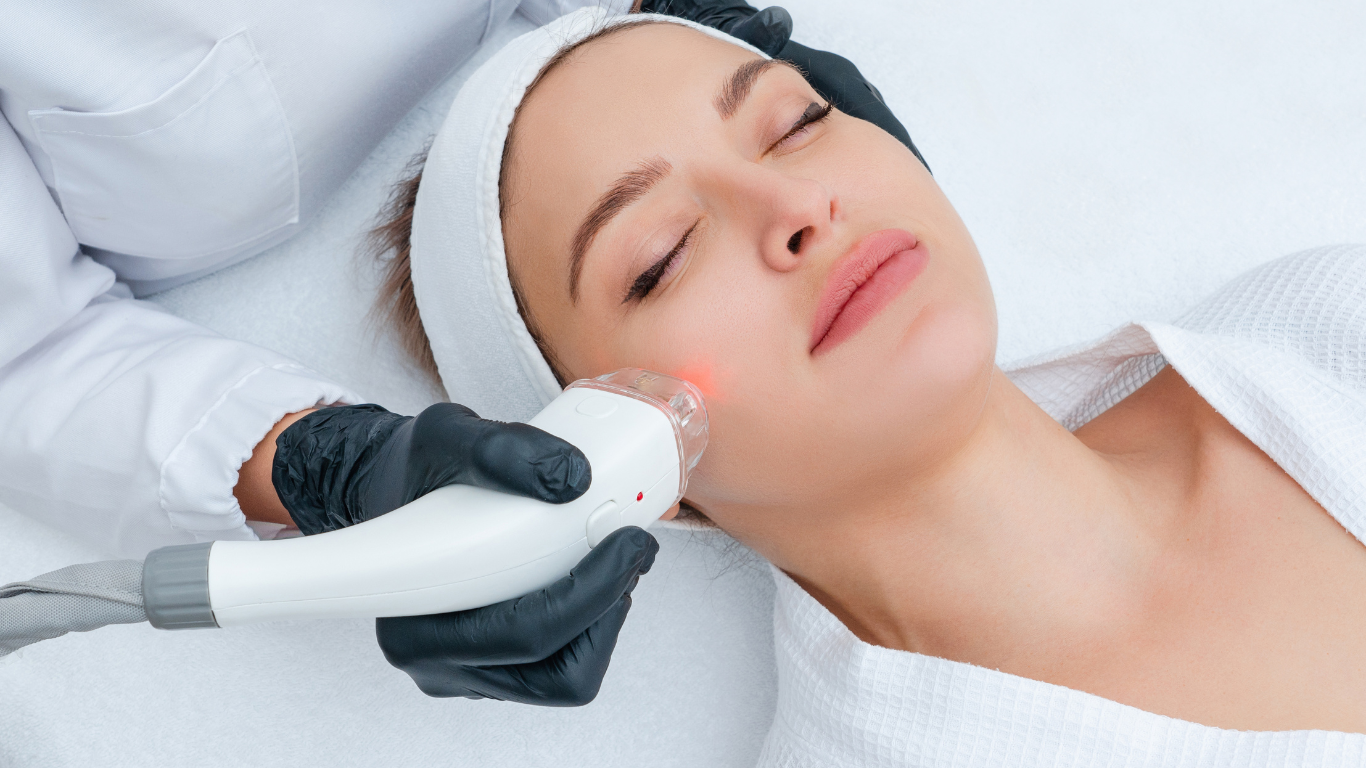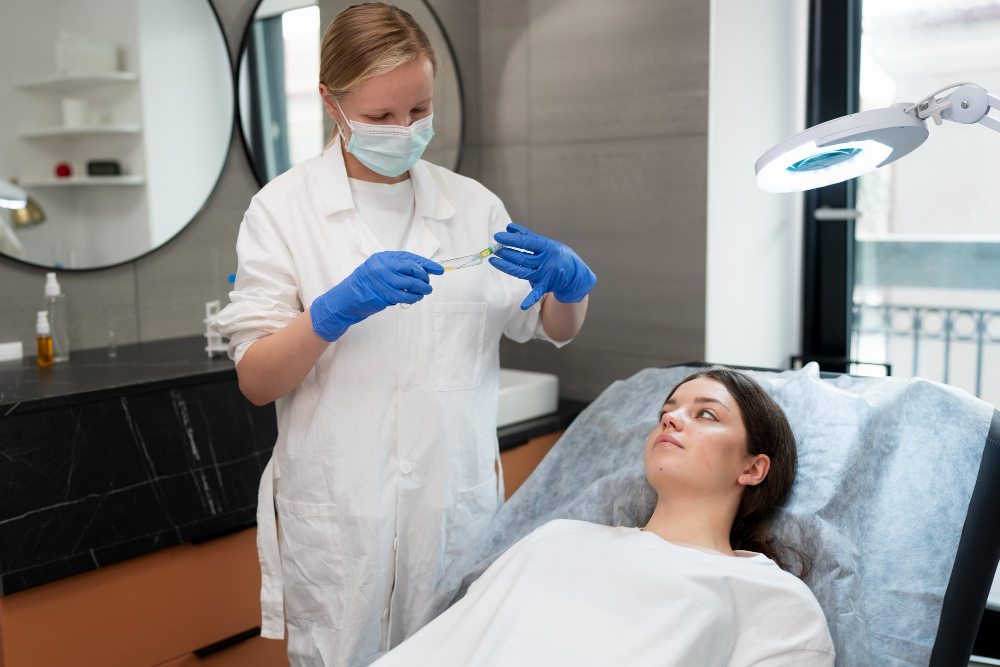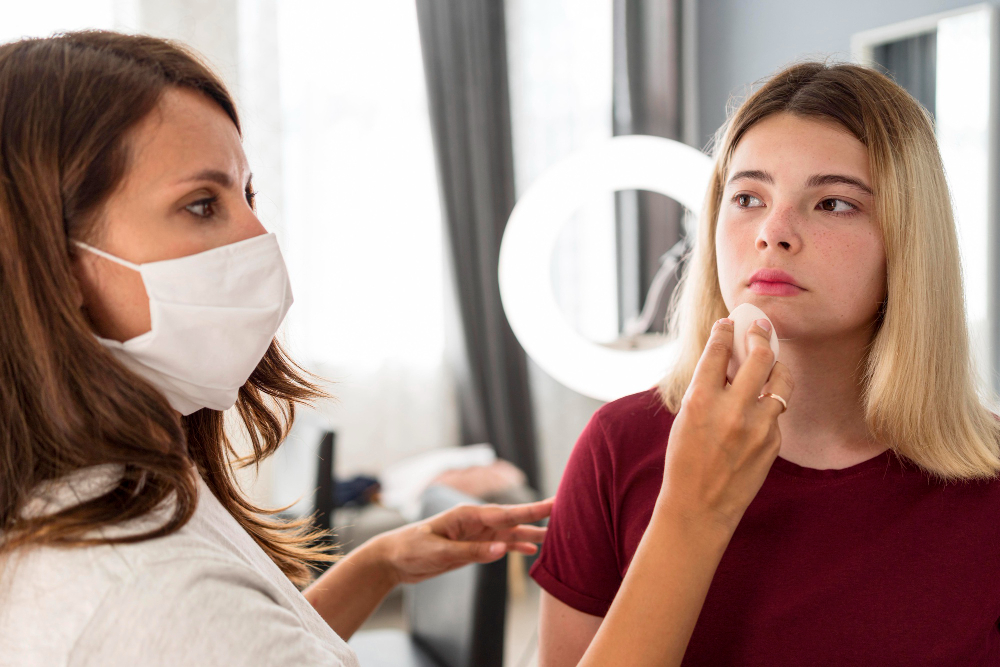
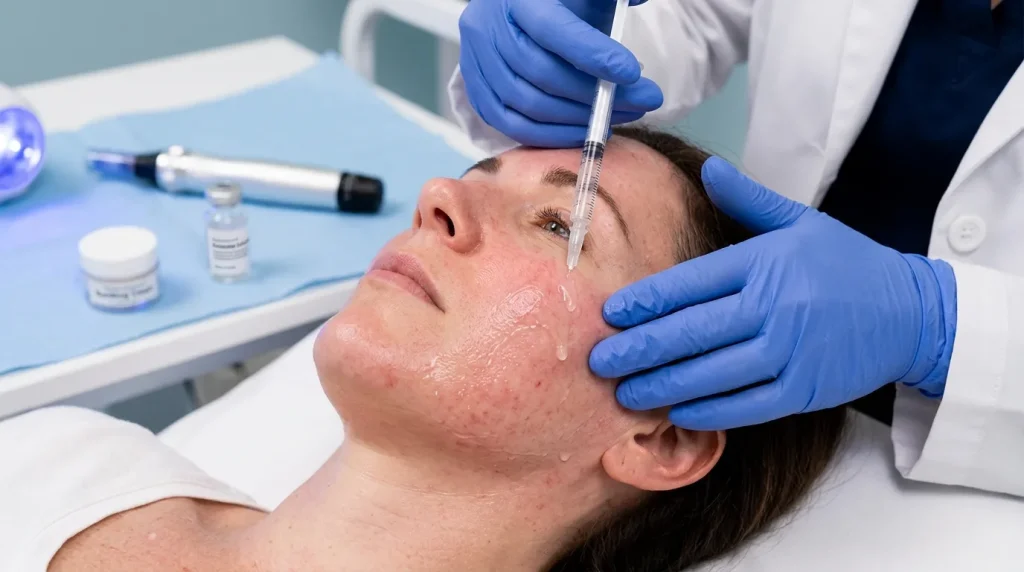
Microneedling has been one of the most sought-after treatments among those individuals who are seeking ways to get smoother and rejuvenated skin. This procedure makes use of small needles to cause controlled micro-injury to the skin surface that initiates the skin’s natural healing mechanism. This technique is commonly used to address issues related to uneven skin texture, acne scarring, fine lines, and large pores.
Recently, exosomes have also caught attention in regenerative skincare. Exosomes are basically small extracellular vesicles that transport proteins, growth factors, and other signaling components from one cell to another. While making use of these along with microneedling can prove to be an effective combination to assist the natural repair mechanism of skin.
Both of these techniques are discussed together because of the temporary microchannels created through microneedling procedure that may enable the products applied topically to penetrate deeper into the skin.
Enhancing Exosome Absorption Through Microchannels
One of the main reasons exosomes may be applied after microneedling is the creation of temporary microchannels in the skin.
During microneedling, tiny needles create controlled openings in the outermost layer of the skin. These microchannels can provide a pathway for topical substances to move into the skin more effectively.
This may help:
- Improve topical product delivery
- Allow exosomes to reach targeted skin layers
- Support interaction with skin cells
- Enhance the regenerative treatment approach
The exact absorption and effectiveness depend on the product, formulation, microneedling technique, and treatment protocol.
Accelerating Skin Healing
Microneedling intentionally creates small injuries that trigger the body’s natural wound-healing response. The skin then begins repairing itself by producing new collagen and activating different types of cells.
Exosomes may help support this process by delivering biological signals that influence cellular communication and tissue repair.
Potential benefits may include:
- Supporting the healing process
- Encouraging skin regeneration
- Promoting healthy cellular activity
- Supporting tissue repair
The goal is to complement the natural healing response rather than simply provide a temporary surface-level improvement.
Reducing Redness and Inflammation
Redness and mild inflammation are common after microneedling because the skin has undergone controlled micro-injury.
Exosomes are being studied for their potential role in regulating inflammatory responses. When applied as part of a post-microneedling treatment protocol, they may help create a more supportive environment for skin recovery.
This may help with:
- Temporary redness
- Skin irritation
- Inflammatory responses
- Post-treatment recovery
However, some redness and sensitivity after microneedling are normal and usually improve as the skin heals.
Stimulating Collagen Production
Collagen is one of the most important proteins responsible for the skin’s strength, firmness, and structure.
Microneedling itself stimulates collagen production as part of the natural healing process. Exosomes are also being researched for their potential to influence signaling pathways involved in collagen formation.
Together, the treatment approach may support:
- New collagen production
- Improved skin firmness
- Better elasticity
- Smoother-looking skin
- Reduced appearance of fine lines
The development of new collagen takes time, so visible improvements usually appear gradually rather than immediately.
Supporting Skin Cell Regeneration
Healthy skin constantly replaces old or damaged cells with new ones. This natural process can slow with age, making the skin appear dull and less resilient.
Exosomes contain biological signals that may influence cellular behavior and support regenerative processes.
When used after microneedling, they may help support:
- Skin cell activity
- Cellular communication
- Tissue regeneration
- Skin renewal
- Natural repair processes
This is one of the reasons the combination is being explored in regenerative skincare.
Improving Skin Texture and Tone
Uneven skin texture and tone are common concerns for people seeking microneedling treatments.
Microneedling can stimulate collagen remodeling, while exosomes may support cellular repair and regeneration. Together, these effects may contribute to a smoother and more even-looking complexion.
Potential improvements include:
- Smoother skin texture
- More even skin tone
- Reduced appearance of pores
- Improved skin radiance
- Healthier-looking complexion
Results vary depending on the person’s skin condition and the treatment protocol used.
Helping Reduce Acne Scars and Fine Lines
Microneedling is commonly used to address acne scars and signs of aging. By stimulating collagen production, it can help improve the appearance of certain types of scars and fine lines over time.
Exosomes may complement this process by supporting the skin’s regenerative response.
The combination may help improve the appearance of:
- Mild acne scars
- Fine lines
- Uneven texture
- Rough skin
- Early signs of aging
However, deeper acne scars and more advanced wrinkles may require additional treatments or a combination approach.
Strengthening the Skin Barrier
The skin barrier protects the body from environmental irritants and helps prevent excessive moisture loss. After microneedling, the barrier is temporarily disrupted while the skin begins its repair process.
As the skin heals, exosome-based treatments may support cellular repair and recovery.
A healthy skin barrier can help:
- Retain moisture
- Protect against irritants
- Reduce sensitivity
- Maintain skin hydration
- Support overall skin health
During recovery, gentle skincare and proper sun protection are especially important.
Boosting Overall Treatment Results
The main reason people combine exosomes with microneedling is to potentially enhance the overall regenerative effect of the treatment.
Microneedling creates controlled micro-injuries and stimulates the body’s natural healing response, while exosomes may provide biological signals that support cellular communication and tissue repair.
The combination may potentially contribute to:
- Improved skin texture
- Better skin hydration
- Increased collagen support
- Healthier-looking skin
- More effective recovery
However, the effectiveness of exosome products can vary significantly, and research into their use with microneedling is still developing. It is important to choose a qualified professional and discuss the specific product and treatment protocol being used.
Conclusion
Increasingly, exosomes are being used as an additional therapy post-microneedling. The micropunctures created via this process might facilitate better penetration of topically applied exosomes into the skin, while the messages delivered by exosomes could assist in the natural healing process of the body.
This may be effective for dealing with issues such as rough skin texture, fine wrinkles, acne scars, etc. Moreover, the treatment may be beneficial in collagen formation and cell messaging, as well as in recovery after the microneedling process.
Still, exosome therapy remains a developing field in skincare, and not all exosome-based products have the same effect. Therefore, results may differ based on specific exosome product used, method of treatment, and other factors. Those who plan to use this therapy combination should consult a professional to learn about potential effects and possible risks of this therapy for one’s skin.
Also Read: Can Exosomes Reduce Fine Lines and Wrinkles?