The type of skin is an essential factor when developing an aesthetic plan. The reactions of various types of skin differ and can affect the treatment methods and its intensity. Various aspects, such as oiliness of the skin, its dryness, sensitivity, pigmentation, and others, can determine the effectiveness of treatment methods.
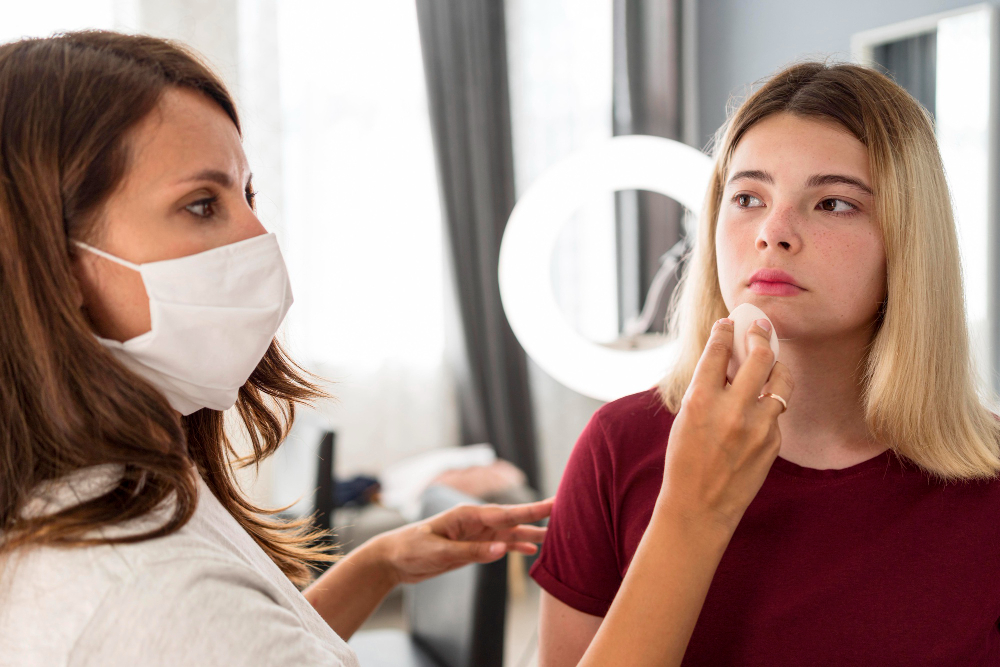
With the right analysis of skin before treatment, the practitioner will be able to develop an individualized treatment plan and avoid irritating the patient’s skin.
Helps Choose the Right Treatment
Not every aesthetic treatment is suitable for every skin type. A treatment that works well for oily skin may not be the best option for dry or highly sensitive skin.
A skin assessment can help practitioners consider:
- Skin type and condition
- Current skin concerns
- Sensitivity levels
- Previous treatments
- Individual treatment goals
This information can help guide the selection of treatments that are appropriate for the individual’s skin.
Guides Product Selection
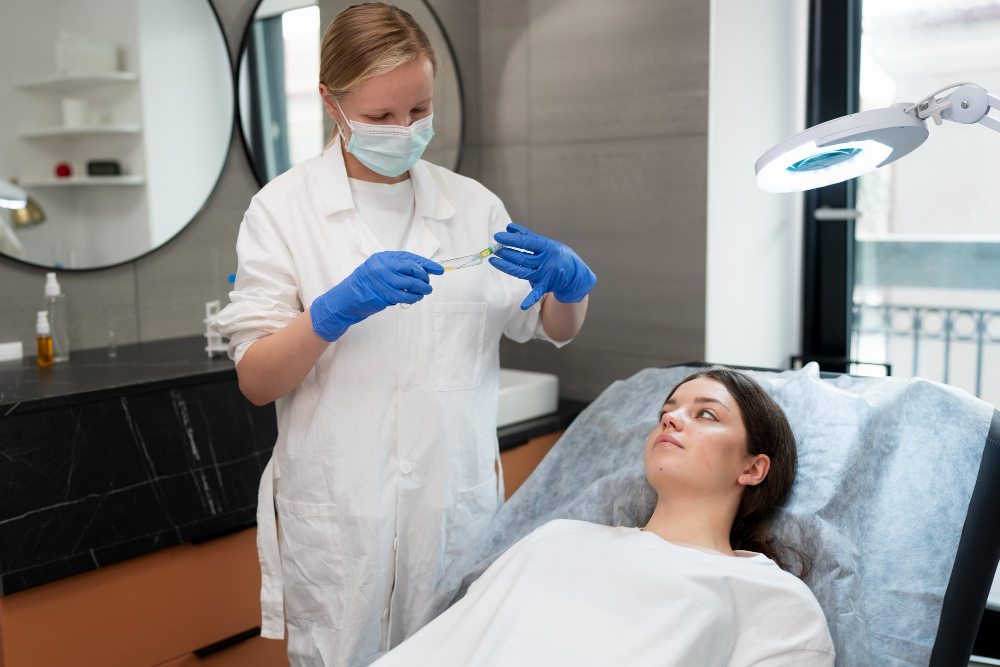
Skin type can also influence the products used before, during, and after an aesthetic procedure. For example, dry skin may require more hydrating and barrier-supporting products, while oily skin may benefit from lighter formulations.
Product selection may consider:
- Skin hydration levels
- Oil production
- Sensitivity
- Acne tendency
- Existing skin concerns
Using products that match the patient’s skin needs can help support comfort and recovery.
Affects Treatment Intensity
Different skin types and conditions may tolerate different levels of treatment intensity. Some individuals may require a more gradual approach, particularly if their skin is sensitive or easily irritated.
Treatment planning may involve adjusting:
- Treatment strength
- Procedure duration
- Number of passes
- Treatment frequency
- Recovery intervals
Starting with an appropriate intensity can help practitioners balance treatment goals with skin tolerance.
Helps Manage Skin Sensitivity
Sensitive or reactive skin may be more likely to experience redness, stinging, or irritation after certain procedures or products. Identifying sensitivity before treatment allows practitioners to take additional precautions.
This may include:
- Using gentler products
- Adjusting treatment settings
- Avoiding known irritants
- Extending recovery time
- Providing tailored aftercare advice
A detailed consultation can also help identify previous reactions to skincare products or aesthetic treatments.
Influences Laser Treatment Settings
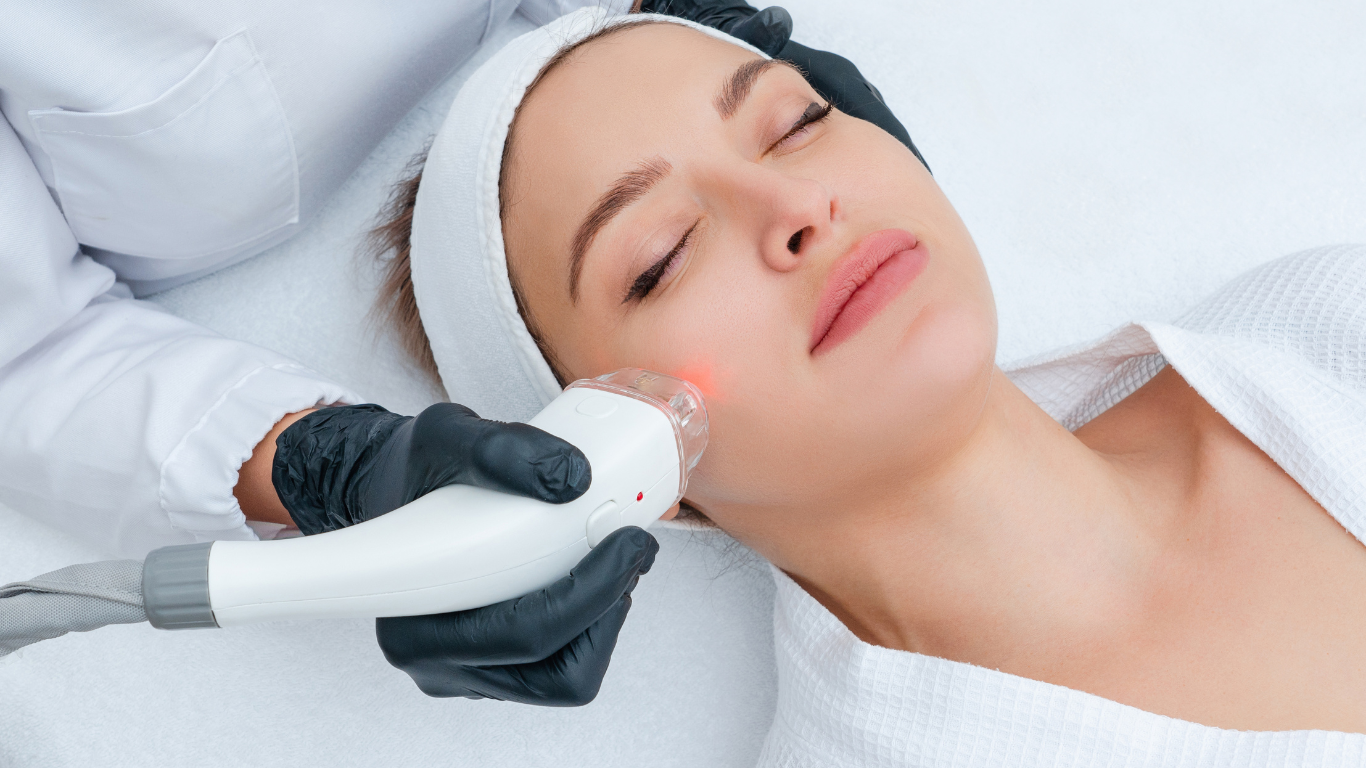
Skin characteristics can be particularly important when planning laser-based treatments. Factors such as skin tone and pigmentation can influence how the skin absorbs laser energy.
Practitioners may consider:
- Skin tone
- Pigmentation levels
- Treatment area
- Type of laser used
- Individual skin response
Appropriate treatment settings should be selected by a qualified professional who understands the specific device and the patient’s skin characteristics.
Helps Reduce Skin Irritation
Understanding a patient’s skin type can help practitioners choose an approach that reduces unnecessary irritation. Using an overly aggressive treatment or unsuitable product may increase redness, dryness, or discomfort.
A personalised treatment plan may help reduce irritation by:
- Selecting suitable products
- Adjusting treatment intensity
- Preparing the skin appropriately
- Providing clear aftercare instructions
- Allowing enough recovery time
The goal is not simply to use the strongest treatment possible, but to choose an approach the skin can tolerate.
Affects Recovery Time
Recovery time can vary depending on the procedure and the individual’s skin. Dry, sensitive, or compromised skin may require more time to recover from certain aesthetic treatments.
Factors that can influence recovery include:
- Skin condition before treatment
- Treatment intensity
- Type of procedure
- Individual healing response
- Following aftercare instructions
Practitioners should discuss expected downtime and recovery before treatment so patients can plan accordingly.
Guides Post-Treatment Care
Post-treatment care should also reflect the individual’s skin type and the procedure performed. The skin may need temporary support while it recovers.
Aftercare recommendations may include:
- Using gentle skincare products
- Keeping the skin moisturised
- Avoiding excessive heat
- Limiting unnecessary irritation
- Using sun protection
- Avoiding products recommended against by the practitioner
Following personalised aftercare instructions can help support the recovery process and treatment results.
Helps Identify Possible Risks
A skin assessment can help identify factors that may increase the risk of unwanted reactions or complications. Skin sensitivity, pigmentation concerns, active irritation, and previous treatment reactions may all be relevant.
During consultation, practitioners may ask about:
- Current skincare products
- Previous aesthetic treatments
- Skin reactions
- Allergies or sensitivities
- Existing skin concerns
- Recent changes in the skin
This information can help determine whether treatment should be adjusted, postponed, or avoided.
Supports Better Treatment Results
Aesthetic treatments are not one-size-fits-all. A personalised plan based on skin type and individual skin characteristics can help practitioners select suitable treatments, products, settings, and aftercare.
A well-planned approach may support:
- Better treatment tolerance
- Reduced irritation
- More appropriate recovery
- Realistic expectations
- More consistent results
Regular skin assessments can also help practitioners adjust the treatment plan as the skin changes or responds over time.
Why Is a Professional Skin Assessment Important?
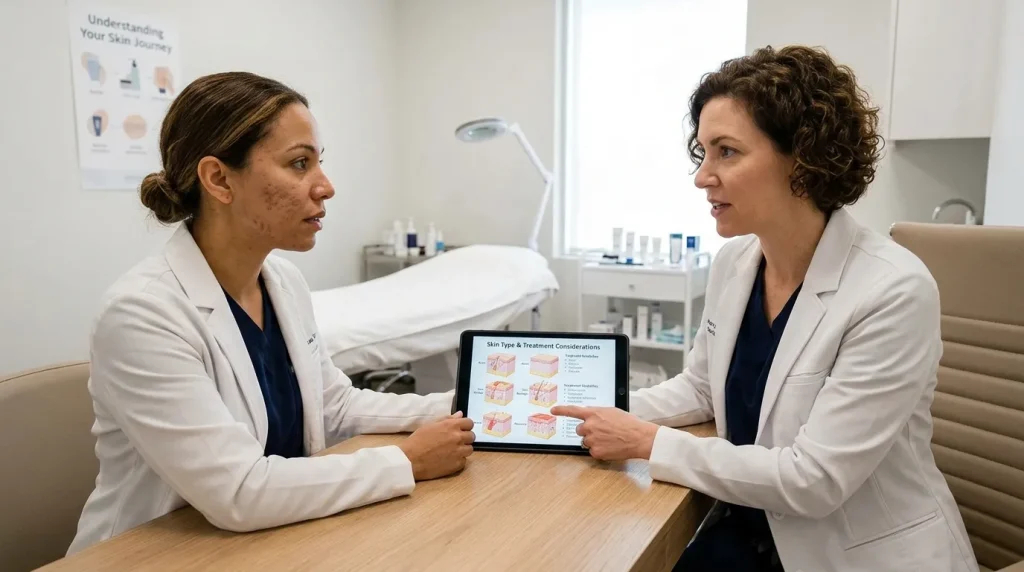
A professional assessment provides information that cannot always be determined by simply looking at the skin. A qualified practitioner can evaluate the skin, discuss treatment goals, review relevant history, and recommend an appropriate approach.
Before starting treatment, patients should feel comfortable asking questions about:
- Why a specific treatment is recommended
- Possible risks and side effects
- Expected recovery time
- Required aftercare
- Alternative treatment options
Clear communication helps patients make informed decisions about their aesthetic care.
Conclusion
Skin type plays a significant role in the treatment plan for aesthetic care due to the impact it may have on the type of treatment selected, product used, intensity of the procedure, laser settings, healing process, and post-treatment care. It is important for practitioners to know the skin type as this would allow them to develop an individualized approach for each patient.
The skin assessment can assist practitioners in understanding any potential risks that the procedure can have and thus minimize the irritation.
Also Read: How Clinics Should Store Aesthetic Products?