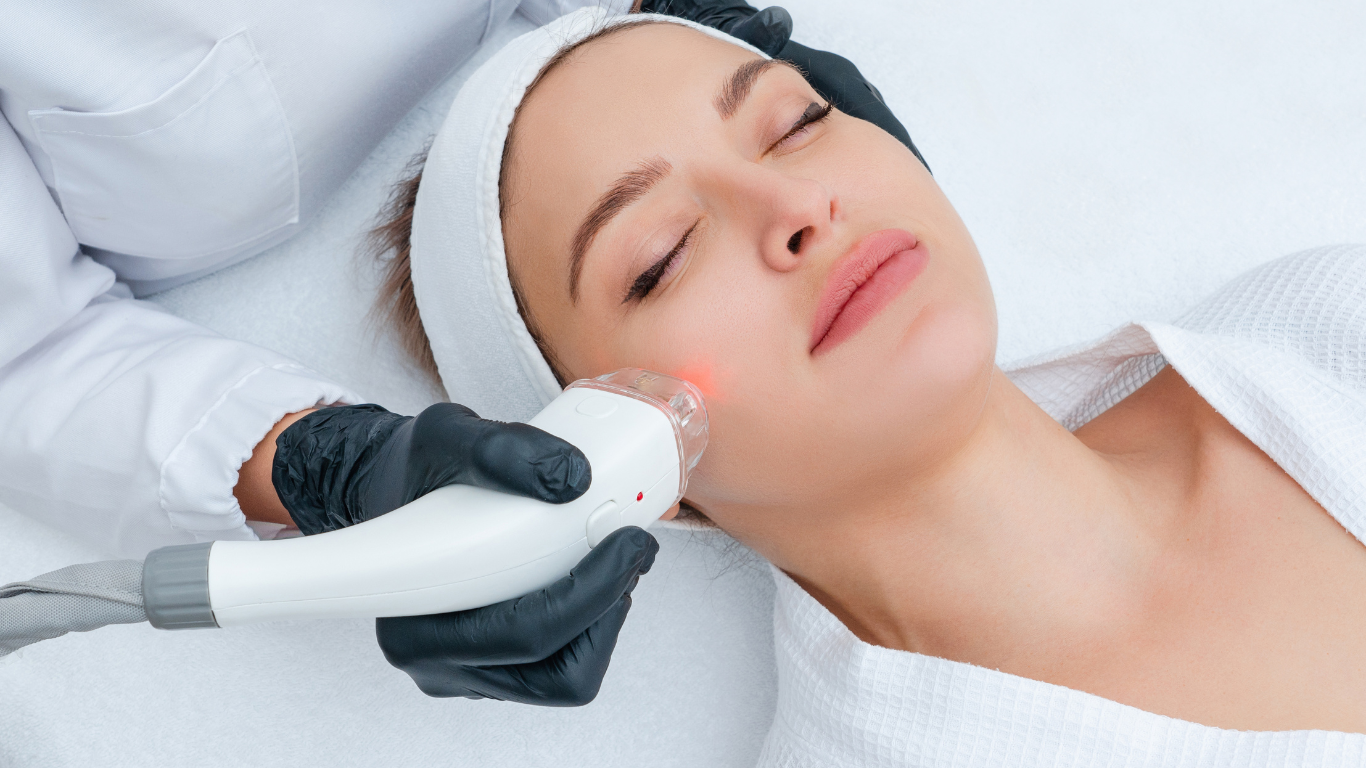
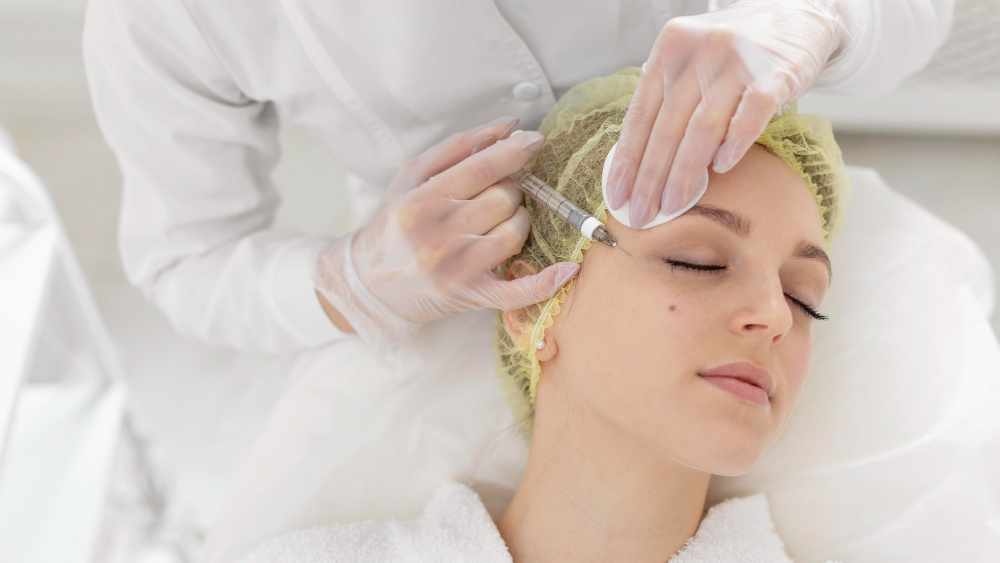
Collagen plays a fundamental role in skin health and is at the centre of many modern aesthetic treatments. From biostimulators and dermal fillers to skincare and nutritional supplementation, numerous interventions are designed to support or enhance the skin’s natural collagen framework.
As our understanding of the ageing process continues to evolve, so too does the approach to facial rejuvenation. Rather than focusing solely on restoring lost volume, aesthetic medicine increasingly emphasises long-term tissue health and regenerative treatments that address the underlying biological changes associated with ageing.
Understanding how collagen functions, why its production declines over time, and how different therapies can support its regeneration allows practitioners to develop more comprehensive treatment plans and deliver predictable, natural-looking outcomes.
The Role of Collagen in Skin Health
Collagen accounts for approximately 75% of the skin’s dry weight and serves as the primary structural protein within the dermis. Type I collagen provides tensile strength and firmness, while Type III collagen contributes to elasticity and flexibility. Together, these fibres create the framework that helps maintain smooth, resilient, and youthful-looking skin.
Collagen does not work in isolation. Elastin provides the skin with the ability to return to its original shape, while hyaluronic acid attracts and retains water within the extracellular matrix, supporting hydration and volume.
These components function in harmony, and changes in one can influence the overall quality and appearance of the skin.
Why Collagen Production Declines With Age
Natural collagen production begins to decrease from the mid-twenties onwards, with the body producing approximately one percent less collagen each year. At the same time, fibroblasts become less active and enzymes known as matrix metalloproteinases increase collagen degradation, leading to a gradual loss of structural support within the skin.
Environmental and lifestyle factors can accelerate this process. Ultraviolet radiation, smoking, poor nutrition, chronic stress, lack of sleep, and excessive sugar consumption have all been associated with increased collagen breakdown.
By the time visible signs of ageing become apparent, including fine lines, reduced skin firmness, and tissue laxity, significant changes have already occurred within the deeper layers of the skin.
How Biostimulators Support Collagen Regeneration
Biostimulators are designed to activate the body’s natural regenerative processes rather than simply replace lost volume.
Ingredients such as calcium hydroxyapatite, poly-L-lactic acid, and polynucleotides stimulate fibroblast activity and encourage the production of new collagen and elastin. This controlled regenerative response gradually remodels the extracellular matrix, improving skin quality and structural support over time.
As the stimulating material is naturally broken down and absorbed, newly formed collagen remains, contributing to improvements in firmness, texture, and skin thickness.
Because these changes occur progressively, biostimulatory treatments are valued for their ability to deliver subtle, natural-looking results that evolve over several months.
The Importance of Nutrition in Collagen Synthesis
Collagen production relies on a range of nutrients that support the body’s ability to synthesise and maintain healthy connective tissue.
Vitamin C plays an essential role in the formation and stabilisation of collagen fibres, while minerals such as zinc, copper, and manganese act as cofactors for enzymes involved in collagen production. Adequate protein intake also provides the amino acids required to build collagen peptide chains.
Supporting these nutritional requirements can help maintain the skin’s regenerative capacity and complement the effects of in-clinic treatments.
For patients undergoing collagen-stimulating protocols, a comprehensive approach that combines aesthetic interventions with nutritional support may contribute to improved and longer-lasting outcomes.
What This Means for Treatment Planning
An understanding of collagen biology enables practitioners to tailor treatments according to each patient’s stage of ageing and individual concerns.
Patients experiencing early collagen decline may benefit from preventative strategies that help preserve existing tissue quality. Those with more advanced signs of ageing may require a combination of collagen-stimulating treatments and structural support to address both tissue integrity and volume loss.
Incorporating nutritional support and long-term maintenance strategies can further enhance results and contribute to overall skin health.
By considering the ageing process from multiple perspectives, practitioners can create treatment plans that are personalised, balanced, and designed to support long-term rejuvenation.
Conclusion
Collagen stimulation has become a cornerstone of modern aesthetic medicine, reflecting a broader shift towards regenerative approaches that prioritise tissue health alongside aesthetic enhancement.
A deeper understanding of collagen biology enables practitioners to make more informed treatment decisions, educate patients more effectively, and achieve outcomes that are both natural-looking and long lasting.
At AURA, we believe that exceptional results are built on a foundation of science, quality, and clinical excellence. From advanced injectable solutions to nutritional support, our pharmaceutical-grade portfolio is designed to help practitioners address skin health from multiple angles and support patients throughout every stage of their aesthetic journey.
Because true rejuvenation is not simply about restoring what has been lost. It is about supporting the skin’s ability to regenerate, renew, and age with confidence.