Regenerative aesthetics has moved past the idea that skin improvement only comes from adding volume or relaxing muscles.
The newest generation of treatments works at a cellular level, using the body’s own communication systems to trigger repair and renewal. Exosomes are at the center of this shift.
If you’re a practitioner trying to understand where they fit in a modern treatment protocol, or a patient researching what your clinic just recommended, this guide breaks down exactly what exosomes are and why they matter.
What Exosomes Actually Are?
Exosomes are tiny extracellular vesicles released by cells throughout the body. Think of them as message carriers, small packages that cells use to communicate with each other.
Each exosome carries proteins, lipids, and genetic material such as messenger RNA and microRNA. When an exosome reaches a target cell, it delivers this cargo, instructing that cell to behave differently: to divide, to repair, to produce more collagen, or to reduce inflammation.
In aesthetic applications, exosomes are typically derived from stem cells, most commonly mesenchymal stem cells sourced from tissue such as umbilical cord or adipose tissue.
The exosomes themselves don’t contain whole cells, which means they carry the regenerative signalling of stem cell therapy without the complexity, regulatory hurdles, and risk profile associated with live cell transplantation.
Why Exosomes Matter for Skin?
Skin aging and damage begin at the cellular level long before they become visible. Fibroblasts produce less collagen over time, cellular repair slows down, and inflammation can last longer after skin damage or cosmetic treatments.
Exosomes help support these natural processes by delivering signaling molecules that encourage skin repair and regeneration.
When applied topically after treatments such as microneedling or laser resurfacing, exosomes help enhance the skin’s natural healing response.
They support faster recovery, reduce downtime, and improve the overall results of the procedure by encouraging healthier, smoother, and more youthful-looking skin.
How Exosomes Differ From Other Regenerative Treatments?
It helps to separate exosomes from other regenerative categories that often get mentioned alongside them.
Platelet-rich plasma (PRP) uses a concentration of the patient’s own platelets and growth factors, drawn from their blood. Exosomes are a step further removed,they isolate just the signaling vesicles rather than relying on a full blood-derived concentrate.
Biostimulators like calcium hydroxyapatite or poly-L-lactic acid work mechanically, triggering a foreign-body response that stimulates collagen. Exosomes work biochemically, delivering targeted molecular signals without relying on a physical stimulus.
This distinction matters clinically. Exosomes are frequently used to support and accelerate recovery after other treatments rather than as a standalone volumizing or lifting solution.
What Exosome Treatments Look Like in Practice?
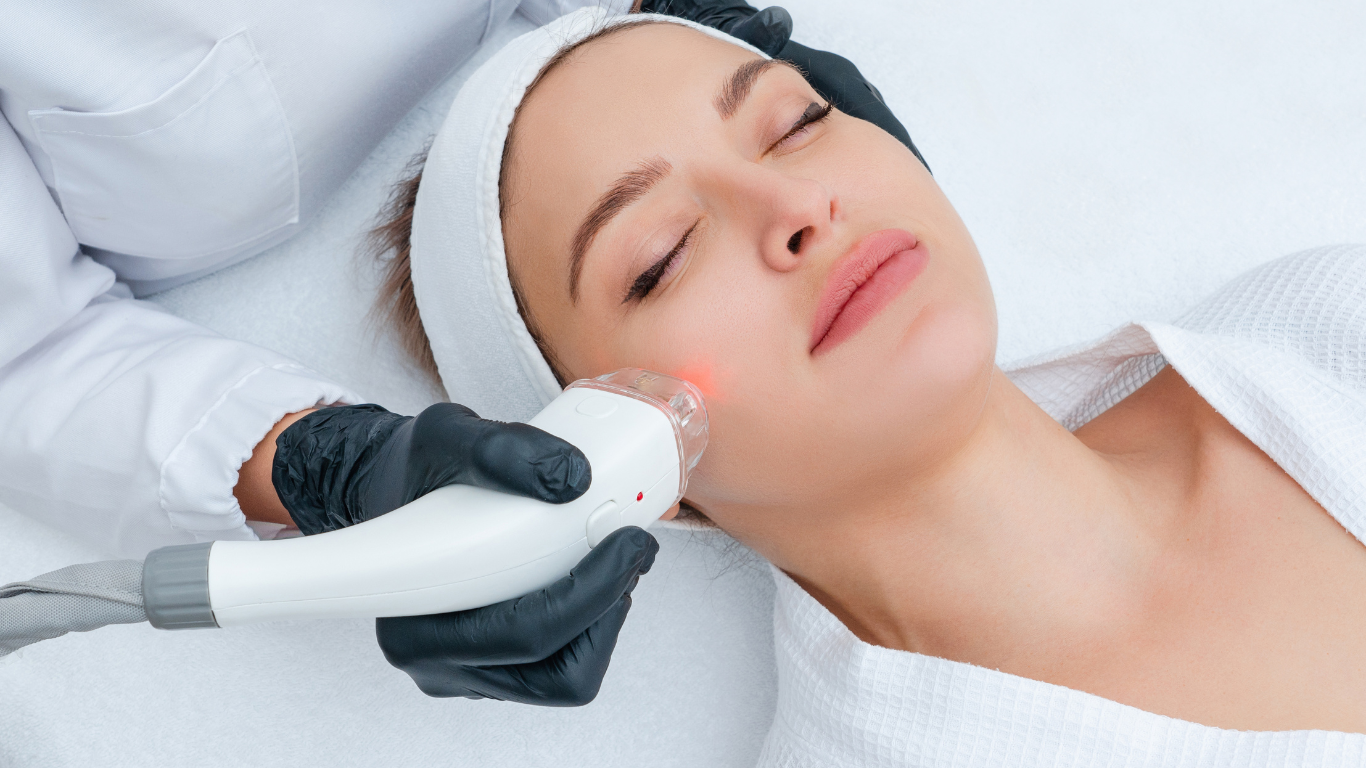
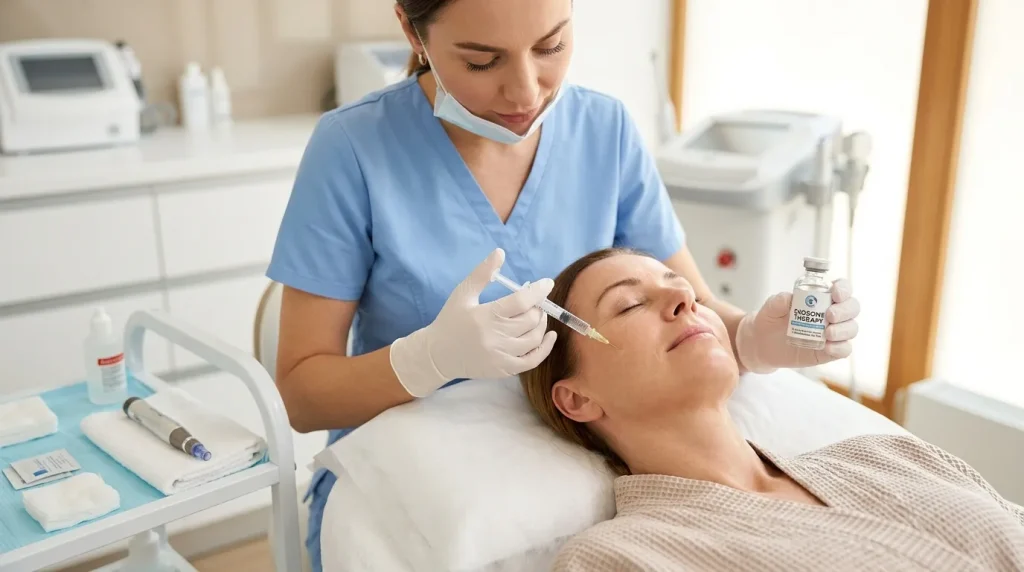
In a clinic setting, exosomes are most commonly applied topically after microneedling or laser resurfacing treatments.
The microneedling step creates microchannels that allow the exosome solution to penetrate into the dermis where it can interact directly with fibroblasts and other skin cells.
Sessions are generally well tolerated, with minimal downtime beyond what the underlying procedure (such as microneedling) already requires. Most protocols recommend a series of treatments spaced several weeks apart to build cumulative results.
Who Exosome Treatments Are Suitable For?
Exosomes work well for patients dealing with dull or uneven skin texture, post-procedure recovery support, early signs of collagen loss, and general skin quality concerns that don’t require structural correction.
They are often positioned as a complementary treatment rather than a replacement for fillers or biostimulators, making them a useful addition to a broader treatment plan.
Conclusion
Exosomes represent one of the more sophisticated tools available in regenerative aesthetics today, working with the body’s own cellular communication systems to drive repair from within.
For practitioners, understanding the mechanism behind them is essential before recommending them to patients. For patients, knowing that exosomes support and accelerate healing,rather than replace structural treatments,helps set realistic expectations.
As regenerative aesthetics continues to evolve, exosomes are likely to remain a foundational part of how clinics approach skin quality and recovery.
Also Read: AURASOME ExoScalp: Clinical Results After 90 Days