With both exosomes and PDRN now established in regenerative aesthetic protocols, practitioners increasingly face a practical question: which one fits a given patient’s needs, and is there a case for using them together?
This blog lays out a clear framework for protocol decisions based on what each ingredient does best.
Quick Recap of the Core Mechanisms
Exosomes work by delivering cellular signaling cargo,proteins and genetic material,that instructs target cells to increase collagen production, accelerate repair, and modulate inflammation.
PDRN works by activating adenosine A2A receptors, which improves circulation, reduces inflammation, and stimulates fibroblast activity through a different biological pathway.
Both ultimately support skin repair and collagen production, but through distinct mechanisms, which is exactly why combination protocols have become increasingly common in clinical practice.
When Exosomes Are the Better Fit?
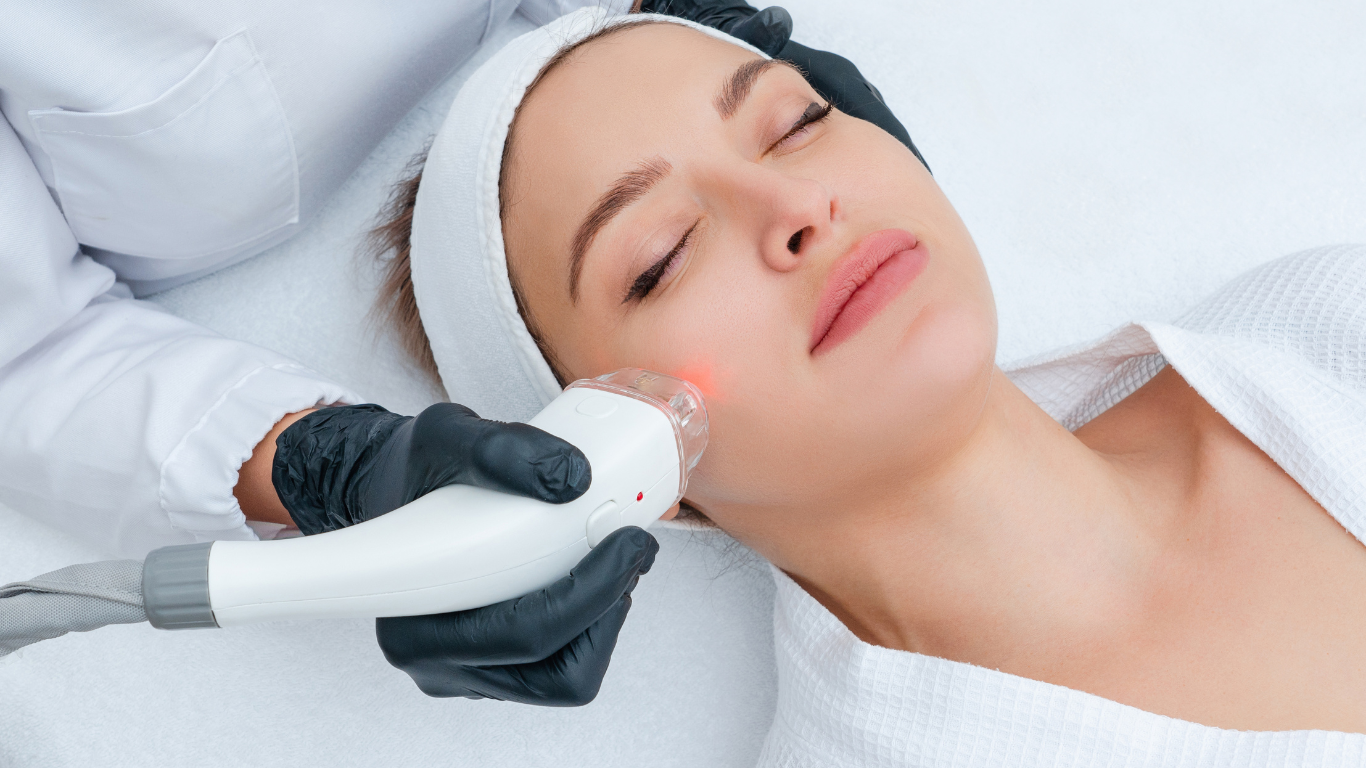
Exosomes are particularly well suited as a post-procedure recovery accelerant. If a patient has just undergone microneedling, laser resurfacing, or another procedure that creates micro-trauma, applying exosomes topically into the freshly treated skin takes advantage of the open microchannels to deliver regenerative signaling directly where it’s needed.
Exosomes also work well for patients focused primarily on overall skin quality,texture, tone, and general radiance,rather than addressing a specific area of damage or scarring. Their broad signaling effect across multiple cell types makes them effective for general rejuvenation goals.
When PDRN Is the Better Fit?
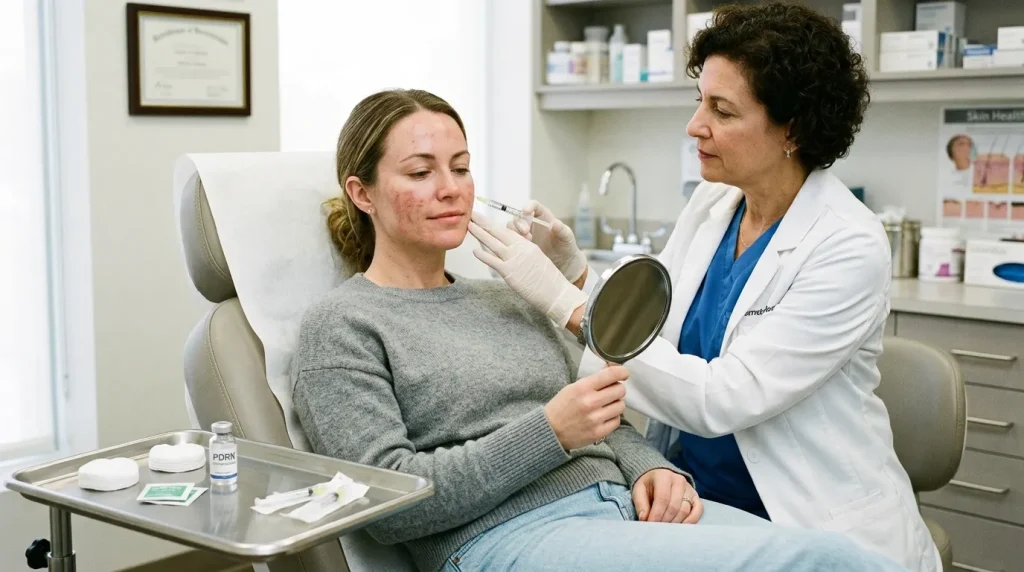
PDRN is the stronger choice when the primary concern is tissue repair in a specific damaged area,post-acne scarring, photodamaged skin with visible textural changes, or skin recovering from a more aggressive prior procedure.
Its strong evidence base in wound healing makes it particularly well suited to cases where genuine tissue rebuilding, rather than general quality improvement, is the goal.
PDRN’s injectable delivery format also makes it the more practical choice when treating localized areas that need targeted, deeper intervention rather than a broader topical application.
The Case for Combination Protocols
Many practitioners now combine exosomes and PDRN within the same treatment plan, sequencing them to take advantage of their different mechanisms and delivery methods.
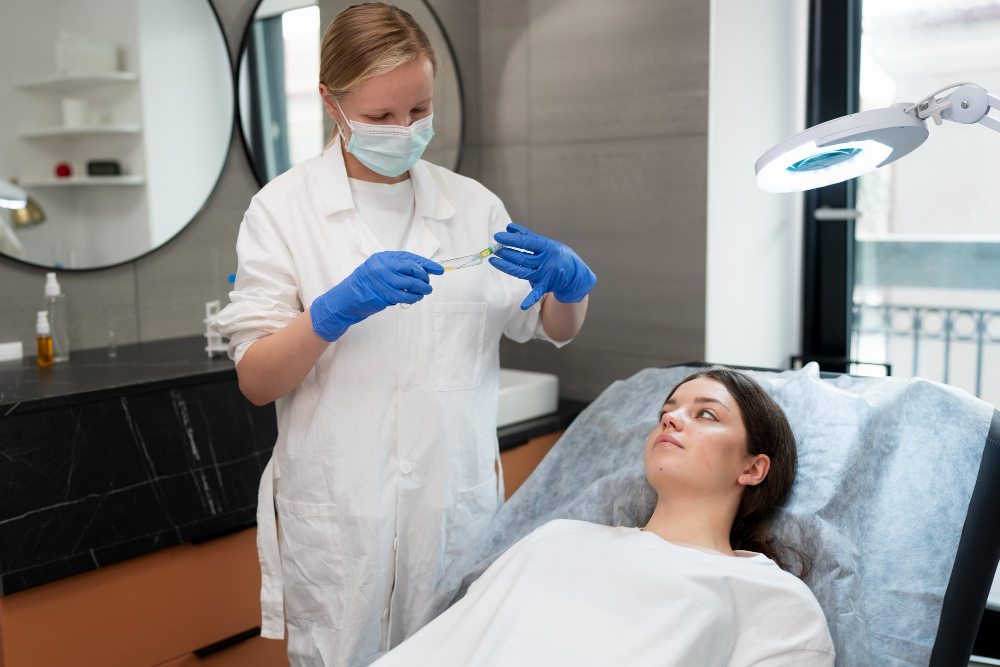
A common approach involves using PDRN injections to address deeper tissue repair and stimulate fibroblast activity at a structural level, followed by topical exosome application (often paired with microneedling) to support surface-level healing, texture improvement, and accelerated recovery between PDRN sessions.
This layered approach addresses both the deeper dermal remodeling that PDRN supports and the broader cellular signaling that exosomes provide, often producing more comprehensive results than either treatment alone.
Building a Patient-Specific Protocol
The right protocol depends on a clear assessment of the patient’s primary concern, the severity and type of skin damage present, their downtime tolerance, and their treatment timeline expectations.
A patient with mild generalized dullness and no significant scarring may do well with an exosome-only protocol. A patient with moderate acne scarring and photodamage may benefit most from a combination approach over a longer series of sessions.
Setting clear expectations about timeline matters here too; both exosomes and PDRN produce gradual, cumulative results rather than immediate transformation, and patients need to understand this before starting a series.
Conclusion
Exosomes and PDRN aren’t competing treatments; they’re complementary tools that address skin repair through different biological pathways.
Understanding when each is most appropriate, and when combining them produces better outcomes than either alone, allows practitioners to build genuinely personalized regenerative protocols rather than defaulting to a one-size-fits-all approach.
Also Read: How PDRN Helps Repair Damaged Skin?