
Nutrition can play a very vital role in both the appearance as well as functioning of the skin. For the skin to repair itself and remain healthy, water, proteins, healthy fats, vitamins, and minerals must be consumed. Although consuming a proper diet is not a replacement for skin care and skin problems in general, poor nutrition can have an effect on the skin’s appearance.
Supports Skin Hydration
Your skin needs adequate hydration to maintain a healthy appearance. Water supports many normal functions in the body, while foods with high water content can also contribute to overall fluid intake.
Good hydration may help support skin that looks:
- Plump
- Smooth
- Fresh
- Less dry
However, drinking excessive amounts of water will not automatically fix dry skin. A healthy skin barrier and regular moisturising are also important for maintaining hydration.
Helps Maintain Skin Elasticity
The skin elasticity is determined through the capacity of the skin to stretch and return to its original form. Among the factors that affect the skin’s elasticity are age, genetic factors, sunlight, and nutrition.
A balanced diet which will supply adequate protein and nutrients is needed to keep the integrity of the skin.
Important nutrients include:
- Protein
- Vitamin C
- Healthy fats
- Zinc
- Copper
Nutrition is only one part of the picture, but consistently providing the body with essential nutrients can support overall skin health.
Supports Collagen Production
Collagen is a structural protein which aids in maintaining strength and firmness of the skin. Collagen production and maintenance require sufficient amount of proteins and nutrients within the body.
One such nutrient which is very crucial for collagen production is Vitamin C.
Nutrients can be derived from following foods:
- Citrus fruits
- Berries
- Peppers
- Leafy green vegetables
- Eggs
- Fish
- Beans and lentils
A balanced diet can support the body’s normal collagen production, although it cannot completely prevent the natural loss of collagen that occurs with age.
May Help Reduce Inflammation
Certain eating patterns have an effect on the level of inflammation in the body. An eating pattern with various types of healthy foods promotes overall good health and regular functioning of inflammation.
The following are examples of healthy foods:
- Fruits and vegetables
- Whole grains
- Fish
- Nuts and seeds
- Healthy fats
On the other hand, individual responses to food can vary. If you believe a particular food is affecting your skin, avoid making major dietary restrictions without appropriate guidance.
Provides Antioxidant Protection
Antioxidants help protect cells from oxidative stress. The body obtains various antioxidants and antioxidant-supporting nutrients through food.
Fruits and vegetables are particularly useful sources of nutrients such as:
- Vitamin C
- Vitamin E
- Carotenoids
- Polyphenols
These nutrients support overall health and may help the skin respond to everyday environmental stressors. However, a healthy diet should complement, not replace, daily sun protection.
Supports Skin Repair
Your body needs energy, protein, vitamins, and minerals to support normal tissue maintenance and repair. Poor nutrition can make it harder for the body to meet these needs.
Nutrients that support normal skin function include:
- Protein
- Vitamin C
- Zinc
- Iron
- Vitamin A
Eating enough of a variety of nutrient-rich foods can help provide the building blocks needed for normal skin maintenance and recovery.
Helps Maintain a Healthy Skin Barrier
The skin barrier plays an important role in ensuring hydration and protection of the body from outside irritants. One of the factors that play a vital role in skin health is nutrition, but there are other factors as well. Healthy fats play an essential role in normal functioning of the body, including:
- Avocados
- Nuts
- Seeds
- Olive oil
- Oily fish
A balanced diet combined with gentle skincare and regular moisturising can help support the skin’s overall condition.
May Affect Acne and Breakouts
Nutrition may influence acne in some people, but the relationship is not the same for everyone. Hormones, genetics, skincare habits, medications, and other factors can also contribute to breakouts.
Some people may notice that certain dietary patterns affect their acne. Keeping track of changes can help identify possible patterns.
However:
- Avoid unnecessarily restrictive diets.
- Do not assume one food causes all acne.
- Maintain a balanced diet.
- Follow an appropriate skincare routine.
- Speak with a dermatologist for persistent acne.
Severe or ongoing acne may require professional treatment rather than dietary changes alone.
Supports a Healthy, Even Skin Tone
A nutritious diet can support overall skin health and contribute to a healthier-looking complexion. Nutrients involved in normal skin function can help the body maintain and repair skin over time.
A diet rich in colourful fruits and vegetables provides a variety of vitamins, minerals, and antioxidants.
Try including foods such as:
- Berries
- Citrus fruits
- Carrots
- Tomatoes
- Leafy greens
- Bell peppers
These foods should be part of an overall balanced diet rather than being treated as a quick solution for uneven skin tone or pigmentation.
May Help Slow Signs of Skin Aging
The right nutrition may help maintain a healthy skin condition even as one gets older; however, nutrition cannot halt the aging process altogether. Proper diet may help in the body’s normal regeneration process and the production of collagen and antioxidants.
To support healthy-looking skin over time:
- Eat enough protein.
- Include plenty of fruits and vegetables.
- Choose healthy sources of fat.
- Stay adequately hydrated.
- Avoid smoking.
- Use daily sun protection.
Sun exposure is one of the major external factors linked to premature skin aging, so sunscreen and other forms of sun protection remain essential.
Can Supplements Improve Skin Appearance?
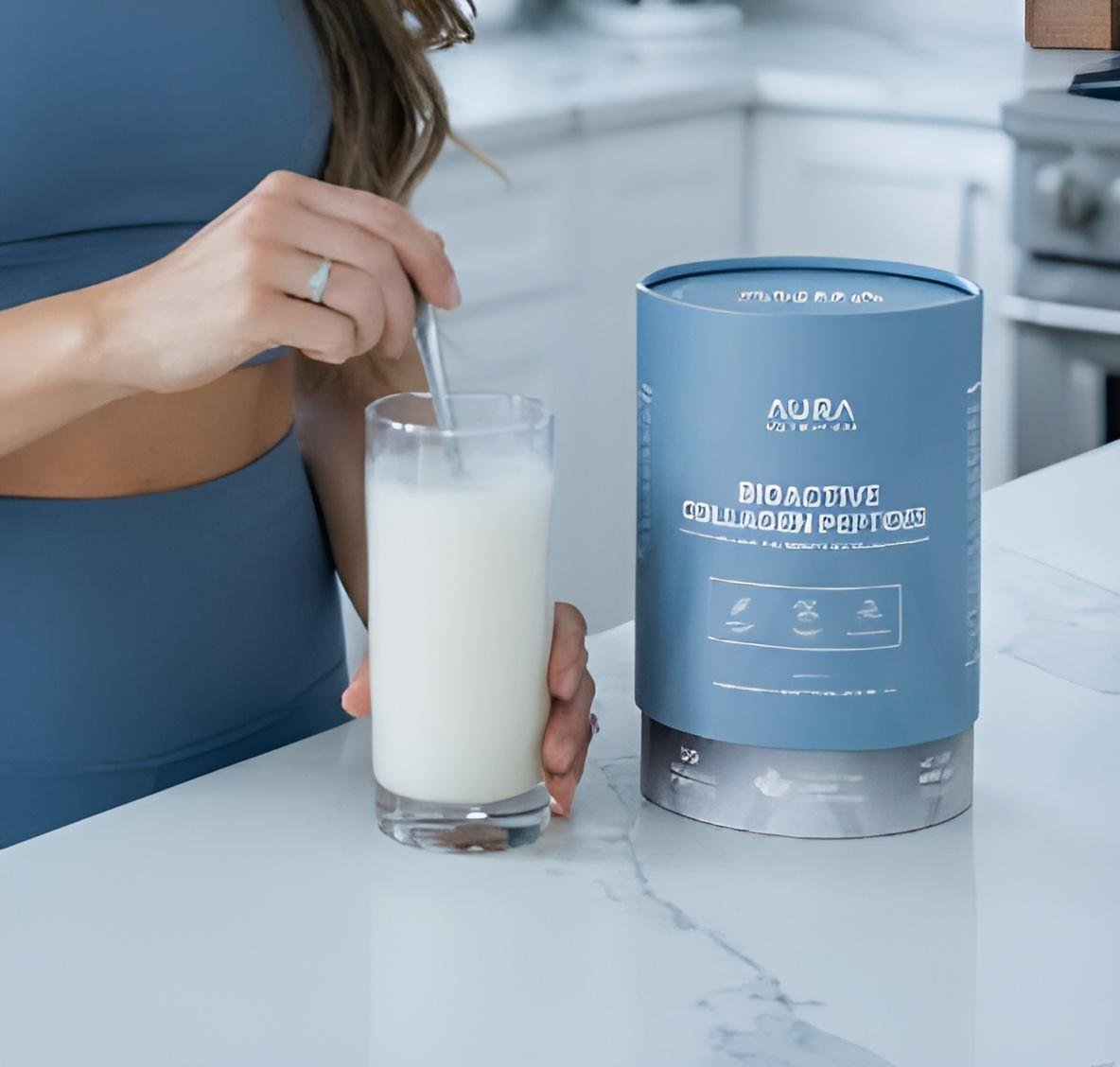
Some supplements are marketed for hydration, collagen production, or anti-aging benefits. However, supplements are not always necessary if you already get adequate nutrients from your diet.
Before taking a supplement, consider:
- Whether you have a nutritional deficiency
- Your current diet
- Other medications or supplements
- The quality and safety of the product
A healthcare professional can provide personalised advice if you are concerned about a possible deficiency or want to take supplements for a specific health reason.
Conclusion
The factors that influence how your skin looks include hydration, collagen production, skin regeneration, proper skin functioning, and healthy skin condition. The fact is that you can be sure that you consume the required amount of protein, numerous fruits and vegetables, fat, vitamins, and minerals.
It is important to remember that nutrition is not the only factor that helps to keep your skin looking nice; skin care, sufficient sleep, hydration, and sun protection are also necessary factors that influence the state of your skin.
Also Read: How Skin Type Affects Aesthetic Treatment Planning?