PRP and exosomes are both regenerative treatments, but they come from very different places. PRP (platelet-rich plasma) is prepared from the patient’s own blood, which is spun to concentrate platelets and their growth factors. Exosomes are tiny vesicles that cells release to send signals to other cells; in aesthetics they are prepared in a laboratory and supplied ready to use. Both are used for skin rejuvenation and scalp care, and clinics often choose between them based on consistency, comfort and the patient’s needs.
Key takeaways
- PRP is autologous (from the patient’s own blood); its quality changes with the patient’s age, health and the preparation method.
- Aesthetic exosome products are made in a laboratory, so each batch can be standardised and tested.
- Both aim to support repair, collagen production and healthier hair follicles, but through different signals.
- No blood draw is needed for exosome treatments, which many patients find more comfortable.
- Regulation of exosome products differs by country, so clinics should check registration and quality documents.
What Is PRP?
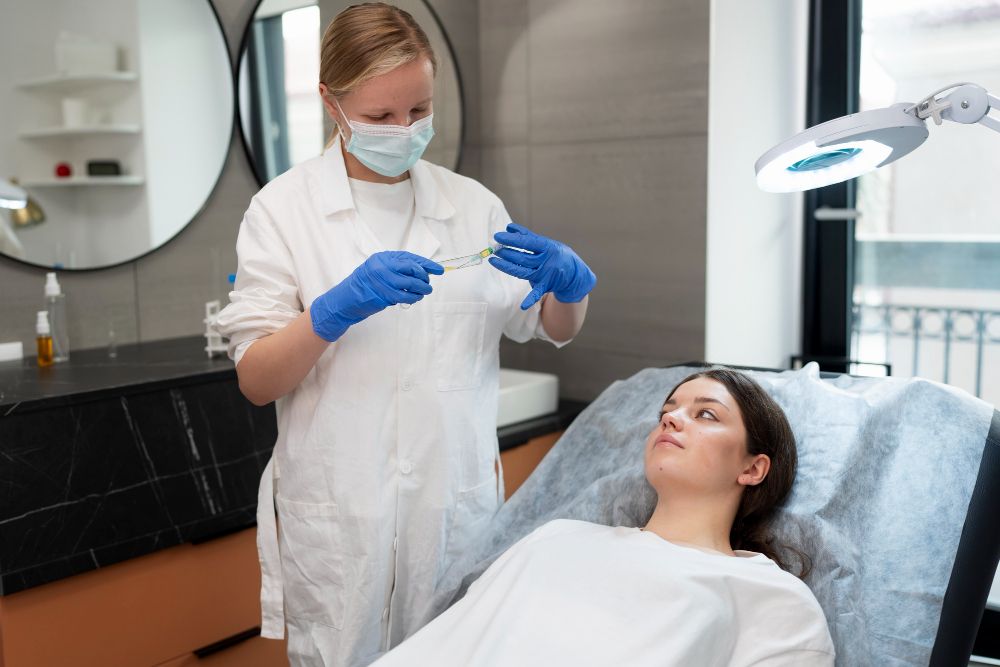
To prepare PRP, a small amount of blood is taken from the patient and placed in a centrifuge. Spinning separates the blood into layers, and the platelet-rich plasma is collected. Platelets contain growth factors that are involved in wound healing, so concentrating them is thought to support tissue repair when the plasma is applied to the skin, for example with microneedling, or placed into the scalp or skin by a clinician.
Because PRP comes from the patient, there is no risk of reacting to a foreign substance. The trade-off is variability: the platelet count and growth-factor content differ between people, and even between sessions for the same person, depending on their health and the equipment used.
What Are Exosomes?
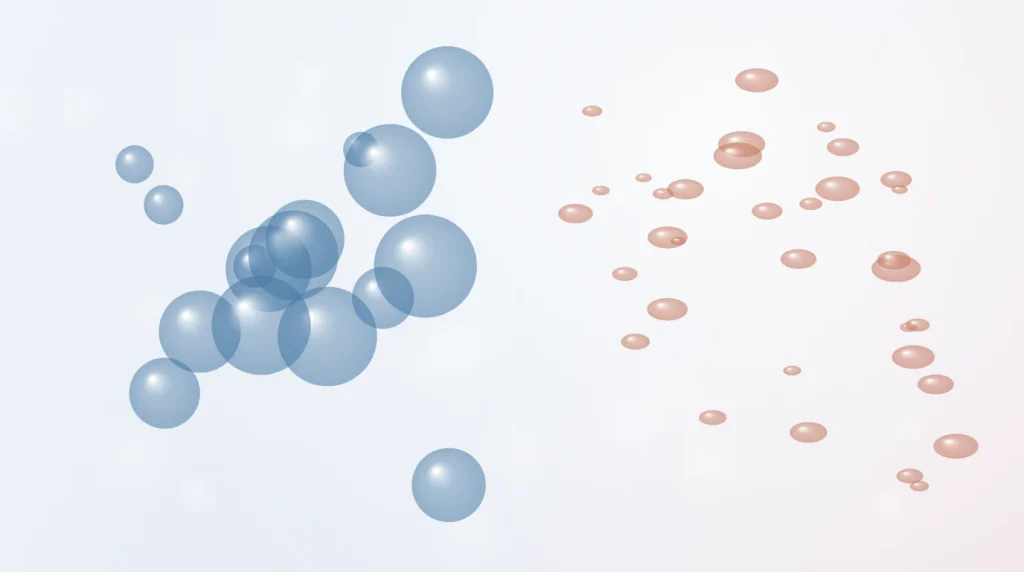
Exosomes are extracellular vesicles, roughly 30 to 150 nanometres across, that cells use to exchange information. They carry proteins, lipids and genetic messages such as microRNA, which can influence how neighbouring cells behave, including how they repair, renew and produce collagen. Aesthetic exosome products are typically lyophilised (freeze-dried) and reconstituted just before use. Learn more in What Are Exosomes? A Beginner’s Guide and How Does Exosome Therapy Work?.
Exosomes vs PRP: Side-by-Side Comparison
| Factor | PRP | Exosomes |
|---|---|---|
| Source | Patient’s own blood | Laboratory-prepared vesicles from cultured cells or other sources |
| Preparation | Blood draw and centrifuge at every visit | Ready-made; reconstituted before use |
| Consistency | Varies with the patient and the equipment | Can be standardised and tested batch by batch |
| Active signals | Platelet growth factors | Proteins, lipids and microRNA cargo |
| Patient comfort | Requires a blood draw | No blood draw |
| Common uses | Skin rejuvenation, under-eye quality, scalp and hair | Skin rejuvenation, recovery after procedures, scalp and hair |
| Regulation | Prepared with regulated devices | Rules differ by country; check registration status |
Exosomes vs PRP for Skin
For skin, both are used to improve texture, tone and signs of aging, and very often alongside microneedling or energy-based treatments. Exosomes are popular for recovery after procedures because they can be applied straight after treatment and are designed to calm the skin and support repair. PRP has a longer track record in clinics and a familiar safety profile because it is autologous. For more on recovery, see How Exosomes Are Used After Microneedling.
Exosomes vs PRP for Hair
In scalp care, PRP has been studied for years in pattern hair thinning, with mixed but often positive results. Exosome research for hair is newer, with laboratory data showing effects on hair follicle cells and early clinical reports that are encouraging but small. Many clinics now use exosomes for patients who do not want repeated blood draws, or combine both approaches over a course of sessions. See How Exosomes Support Hair Follicle Health and the AURASOME ExoScalp 90-day results.
Can Exosomes and PRP Be Combined?
Yes. Some protocols alternate sessions or apply exosomes after a PRP session to support recovery. There is no single standard protocol, so combinations should follow the product manufacturer’s guidance and the clinician’s judgement.
How Clinics Should Evaluate Exosome Products
- Source and characterisation: where the exosomes come from and how particle size and concentration are measured.
- Sterility and safety testing: certificates of analysis for every batch.
- Manufacturing standards: GMP certification and full traceability.
- Local registration: approval in the country of sale; in the US, for example, the FDA states that there are currently no FDA-approved exosome products.
- Clinical support: clear protocols, storage guidance and training. See What Clinics Should Look For in a Supplier.
The AURASOME range from AURA Laboratories is supplied as lyophilised kits with sterile vials for professional use only.
Frequently Asked Questions
Are exosomes better than PRP?
Neither is better in every case. Exosomes offer consistency and no blood draw, while PRP uses the patient’s own material and has a longer clinical history. The choice depends on the patient, the goal and the products available.
Do exosomes hurt less than PRP?
The application itself is similar, but exosome treatments avoid the blood draw, which many patients prefer.
How many sessions are usually needed?
Most protocols for either treatment involve a course of three to six sessions a few weeks apart, followed by maintenance. Exact plans vary.
Is PRP safer because it comes from my own blood?
PRP avoids reactions to foreign material, but any procedure carries risks such as redness, swelling or infection if hygiene is poor. Safety depends on the clinic, the technique and the product quality.
Are exosome treatments approved in the UAE?
Products must be registered with the relevant UAE authority before they are sold or used. Clinics should ask suppliers for proof of registration and the product’s quality documents.
References
This article is for general education and does not replace advice from a qualified healthcare professional.